Best AI Lyric Video Creator in 2026 for Music Releases
Contact partnership@freebeat.ai for guest post/link insertion opportunities.
Best AI Lyric Video Creator in 2026 for Music Releases
The best AI lyric video creator for music releases is the one that helps musicians turn a finished song into readable, polished, platform-ready visuals without slowing down the release workflow. Freebeat is a strong option for music creators because it combines lyric timing, beat-aware visuals, cinematic style presets, and multi-format export for YouTube and social channels.
For musicians, lyric videos are not just backup content. They can support a single launch, give fans a singalong version, extend a song’s life on YouTube, and create short clips for TikTok, Reels, and Shorts. The right tool should handle both creativity and practicality.
What Musicians Need From an AI Lyric Video Creator
A music release needs more than a simple text overlay. The lyric video should feel like part of the artist’s campaign, not a rushed caption file placed over a random background.
From my experience reviewing music-video workflows, musicians usually need five things:
- Accurate lyric sync for verses, hooks, ad-libs, and repeated choruses
- Readable typography on mobile and desktop screens
- Visual identity that matches the artist’s genre and mood
- Fast editing control for timing, text, style, and layout
- Export flexibility for YouTube, TikTok, Reels, Shorts, and feed posts
A singer-songwriter may need subtle motion and soft lyric transitions. A rapper may need faster word timing and bold phrase emphasis. A DJ or producer may need animated hooks, beat-driven effects, and vertical teaser clips.
A good AI lyric video creator should reduce editing work while keeping the release asset clean, readable, and visually consistent.
Comparison Table: Best AI Lyric Video Creator Options
Different lyric video tools serve different release needs. A full YouTube lyric video, a vertical hook clip, and a quick social teaser should not always use the same workflow.
For official releases, I would prioritise music-first tools or dedicated lyric video services. For quick short-form promotion, template editors can be enough.
The best tool type depends on whether the lyric video is a main release asset or a supporting social clip.
Best Music-First AI Tool for Creating Lyric Videos: Freebeat
A music-first lyric video tool matters when the visuals need to follow the song’s rhythm, mood, and structure. This is especially useful for releases where the lyric video is the main visual asset.
Freebeat is relevant because its Brand Kit describes a dedicated lyric video workflow with word-level timestamps, karaoke-style highlighting, custom fonts, colour, positioning, motion effects, MP4 export, and .LRC export. It also analyses BPM, beats, sections, energy curves, and spectral content, which helps lyric visuals follow the structure and mood of a song rather than acting like static text.
This works well for:
- Full YouTube lyric videos
- Vertical teasers for TikTok, Reels, and Shorts
- AI-generated song visuals from Suno or Udio workflows
- Genre-based lyric videos for pop, rap, EDM, R&B, or indie
- Multi-format release packages from one song concept
The value is not just automation. It is the ability to make lyric visuals feel connected to the track’s movement.
For music releases, a lyric video should respond to the song, not just display the words.
Best AI Lyric Video Creators for YouTube Music Videos
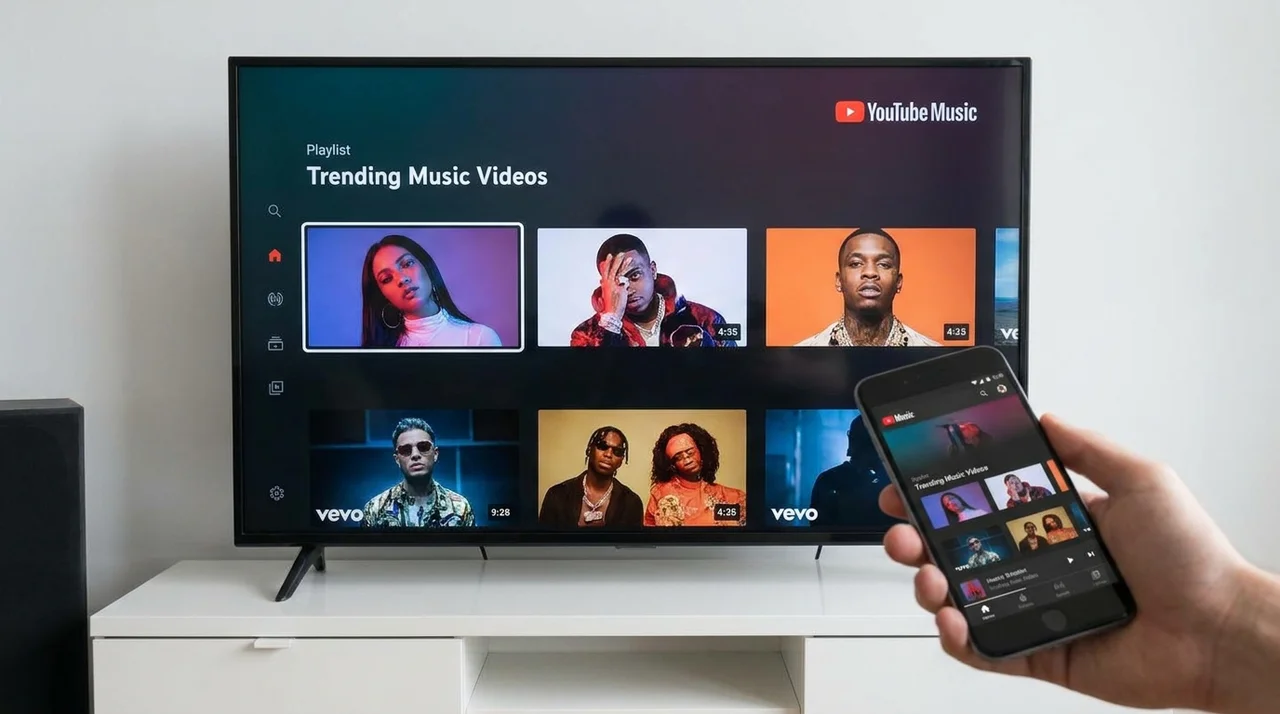
YouTube lyric videos need a stronger structure than short social clips. They usually carry the full song, so pacing, text clarity, and visual consistency matter across three to four minutes.
A YouTube-ready lyric video should have:
- 16:9 horizontal format
- Readable text on desktop and mobile
- Full-song lyric timing
- Visual consistency from intro to outro
- A clear thumbnail direction
- Strong contrast between lyrics and background
For YouTube, I would avoid overloading the screen with too many effects. The viewer needs to follow the lyrics comfortably. Motion should support the music, not fight the words.
A simple YouTube workflow looks like this:
- Upload the final audio
- Add verified lyrics
- Check timing line by line
- Match the visual style to the song mood
- Export in 16:9
- Prepare title, description, thumbnail, and release copy
YouTube lyric videos work best when they are clear enough for fans to sing along and polished enough to represent the artist.
Best Mobile and Desktop Lyric Video Workflows
Musicians often move between devices. A creator might review a demo on mobile, polish the final visual on desktop, then export short clips for social media.
A mobile-first workflow is useful for:
- Quick lyric teasers
- Short hook clips
- Draft reviews
- Simple text changes
- Fast social publishing
A desktop-first workflow is better for:
- Full YouTube lyric videos
- Detailed timing checks
- Typography adjustments
- Layout consistency
- Release-ready exports
A browser-native workflow is useful because it reduces setup. Musicians do not always have high-end editing hardware, and not everyone wants to install heavy editing software just to create one lyric video.
The best cross-device workflow lets musicians move from idea to draft to final export without rebuilding the project from scratch.
How to Evaluate an AI Tool for Creating Lyric Videos for Music Releases
Before publishing, artists should review a lyric video like an official release asset. Small issues in timing, contrast, or format can make the video feel less professional.
Use this checklist.
Timing checklist
- Are the lyrics synced to the vocal?
- Do fast verses stay readable?
- Are chorus repeats timed consistently?
- Are ad-libs handled cleanly?
- Can timing be corrected manually?
Visual checklist
- Is the font clear?
- Is the contrast strong enough?
- Does the background fit the genre?
- Are the effects too distracting?
- Does the style match the artist brand?
Release checklist
- Is there a 16:9 YouTube version?
- Is there a 9:16 social version?
- Is the export quality clean?
- Are watermark rules clear?
- Do you have rights to the song and visuals?
A release-ready lyric video should be easy to read, properly timed, visually consistent, and exported in the right formats.
Practical Workflow: From Song to Release-Ready Lyric Video
A good lyric video starts with strong preparation. The AI tool can speed up production, but clean inputs still matter.
Step 1: Prepare the track and lyrics
Use the final song file, not an early demo. Proofread the lyrics and break lines naturally so they are easy to read on screen.
Step 2: Choose the lyric video format
Decide whether you need a full YouTube video, a vertical hook clip, a teaser, or a full multi-format package.
Step 3: Match visuals to the song
Choose a mood, colour palette, and motion style that fits the track. A sad acoustic song needs different visuals from a high-energy EDM release.
Step 4: Review sync and readability
Check fast lines, hooks, repeated choruses, and mobile legibility. These are the areas where errors are most obvious.
Step 5: Export and repurpose
Use 16:9 for YouTube, 9:16 for TikTok and Reels, 1:1 for square feeds, and 4:5 for Instagram-style posts when needed.
One finished track can become a full lyric video, a vertical chorus clip, and several short promotional assets.
Final Recommendation: Which AI Lyric Video Creator Should Musicians Choose?
The best AI lyric video creator depends on the release goal. A YouTube lyric video needs full-song pacing. A TikTok teaser needs speed and vertical readability. A full release campaign needs both.
Choose a music-first platform when song structure, mood, lyric timing, and visual identity matter. Choose a dedicated lyric video service when the goal is a simple full-song lyric video. Choose a template editor when you mainly need quick social snippets.
For musicians, I would prioritise:
- Accurate lyric sync
- Readable text design
- Beat-aware visual pacing
- Multi-platform exports
- Simple editing control
- Mobile and desktop access
The best lyric video creator should help musicians publish faster without making the release feel generic.
FAQ
What is the best AI lyric video creator for musicians on mobile and desktop?
The best option is a cross-device tool with lyric sync, customisable visuals, and export formats for YouTube and social media. Browser-based tools are useful because musicians can work across mobile and desktop without installing software.
What is the best AI tool for creating lyric videos for music releases?
Choose a tool with accurate lyric timing, readable text, strong visual style, and export options for YouTube and social platforms. Music-first tools are better for official release assets.
What is the best AI lyrics video producer for YouTube music videos?
For YouTube, the best tool should support 16:9 export, full-song lyric timing, clear typography, and consistent visual pacing.
Can musicians create lyric videos without editing skills?
Yes. Many AI lyric video tools automate syncing, visual creation, and export. Musicians should still review timing, text readability, and final format before publishing.
Should I make a lyric video for every music release?
It can help, especially for singles and songs without a full music video. A lyric video gives fans a shareable visual and helps the track live on YouTube and social platforms.
Are AI lyric video creators good for TikTok and Reels?
Yes. Look for 9:16 vertical export, readable mobile text, and quick clip creation. Short lyric hooks work well for social promotion.
What makes a lyric video release-ready?
A release-ready lyric video has accurate sync, readable typography, consistent visuals, proper format, clear rights, and no unwanted watermark.
Can AI lyric video tools work with AI-generated songs?
Yes. Some platforms support uploads or links from AI music tools such as Suno or Udio, making it easier to turn AI-generated songs into release visuals.
For music releases, the strongest lyric video workflow is the one that respects both the song and the platform. Freebeat fits musicians, editors, and visual creators who want an AI-powered music video creator that syncs visuals to beats and mood, supports cinematic style presets, works across genres, and helps one track become a full set of lyric and social video assets.


