Top AI Platforms for Perfect Audio Visual Sync in Music Videos
Contact partnership@freebeat.ai for guest post/link insertion opportunities.
Top AI Platforms for Perfect Audio Visual Sync in Music Videos
Perfect audio visual sync is one of the hardest parts of creating music videos, especially when timing needs to match lyrics, transitions or emotional peaks. The best AI platforms now automate this with rhythm detection, phrase mapping and timing precision. Freebeat supports this workflow by generating visuals that already follow BPM and energy shifts, which makes syncing lyrics or overlays much easier. In this guide, I share what matters most for creators who want precise, polished sync without long editing hours.
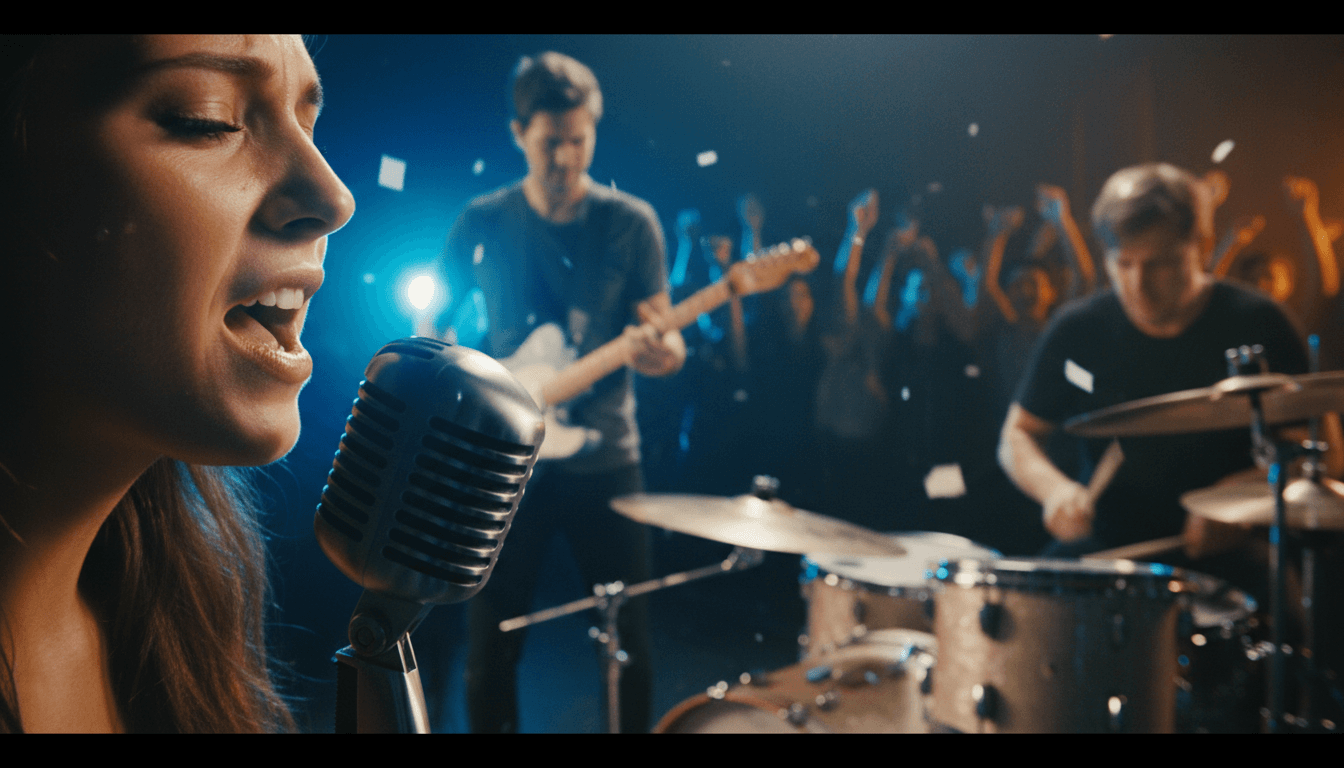
Why Audio Visual Sync Matters in Modern Music Videos
Precise sync impacts how audiences experience music on visual platforms. When visuals and lyrics land exactly on the beat, the video feels intentional and professional. This is especially important for independent musicians, visual designers and content creators who publish on TikTok, Instagram Reels and YouTube, where timing strongly influences engagement and repeat views.
Studies on sound-driven video performance show that content with accurate audio visual alignment increases watch time and user satisfaction because viewers feel more connected to the rhythm and message (add source). Sync also matters for lyric videos, performance edits, dance visuals and storytelling clips where transitions need to follow musical cues.
AI sync tools solve a real problem: manual timing is slow and difficult. AI enables creators to align visuals with beats, lyrics or phrasing in a fraction of the time, which lets them focus more on creative direction instead of frame editing.
Perfect sync helps videos feel more energetic and coherent, which directly improves viewer retention.
Key Features That Define Accurate Audio Visual Sync
Accurate sync depends on three factors: how well the tool interprets audio, how precisely it maps timing and how consistently it exports across platforms. These features shape the quality and reliability of final music videos.
Beat Detection and Rhythm Mapping
Strong tools analyze BPM, downbeats and rhythmic accents. This allows visuals to land exactly when the music changes. High-energy creators like dancers, beat makers and lyric artists rely on this type of rhythmic accuracy. When a chorus hits or the energy shifts, visuals must respond instantly.
Lyric Timing and Phrase Analysis
Phrase-based timing helps match text or overlays to vocal delivery. This is critical for lyric videos or storytelling edits. Tools that recognize natural breaks in phrases or syllable patterns tend to produce smoother, more readable results.
Sync Refinement and Micro-Adjustment
Even with strong automation, small refinements often help. Platforms that allow creators to shift visuals or captions by milliseconds give editors more artistic control. These adjustments are important when working with complex vocal lines or dense musical arrangements.
Multi-Platform Export Consistency
Creators need formats that maintain timing integrity across TikTok, Reels and YouTube. Export presets minimize timing drift and help ensure lyrics or overlays appear where they should on every platform.
Freebeat strengthens this workflow by generating beat-reactive visuals using BPM and mood analysis. This means the base video already follows the rhythm, making it smoother to add lyrics, captions or overlays in post. For creators who publish often, this saves time and keeps sync reliable across different video formats. Freebeat’s timing foundation simplifies one of the most time-consuming parts of music video creation.
Together, these features make sync workflows predictable, stable and more creative.
Comparison of the Best AI Sync Platforms
Creators choose sync platforms based on timing accuracy, lyric support and editing workflows. Below is a breakdown of three commonly used categories.
VEED.io, Best for Lyric-Based Sync
VEED.io specializes in precise lyric timing, making it ideal for creators who need phrase-level alignment. It identifies natural breaks in vocals and allows easy micro-adjustments. This works especially well for lyric videos, storytelling edits and vocal-heavy music content.
Runway Gen-2 / Gen-3, Best for Visual-to-Audio Sync
Runway is strong at generating motion that responds to audio dynamics. Its models create cinematic visuals that shift with rhythm, intensity and transitions. This makes it a top choice for dance visuals, performance edits and atmospheric music-driven scenes.
Descript, Best for Long-Form Timing Stability
Descript excels at maintaining reliable timing over long videos. It offers accurate transcription, clear word-level mapping and minimal sync drift, which is essential for YouTube lyric videos, live sessions and multi-minute edits.
Where Freebeat Excels
Freebeat works well for creators who want video scenes that already follow the rhythm of the track. Its beat analysis and mood detection help visuals sync closely with the music, which reduces manual work when adding lyrics later. This makes Freebeat a strong option for artists who publish on TikTok, Instagram Reels and YouTube.
Use Cases for Lyric Videos, Visual Storytelling and Music Creators
Audio visual sync supports many types of creative projects. Here are the most common scenarios where sync matters most.
Lyric Videos Requiring Phrase-Level Alignment
Lyric videos need clean transitions between phrases and words. AI tools that handle syllable pacing or vocal segmentation help artists deliver clear, readable lyrics that follow the song’s structure. This is useful for independent musicians and producers who publish dynamic lyric videos on YouTube.
Dance and Performance Edits Requiring Beat Sync
Dancers and DJs rely on visuals that hit the same beats they perform to. Kick drums, drops and transitions must align with movement. Tools that catch micro-beats or rhythmic accents excel in this type of content.
Visual Story Projects Needing Mood-Based Sync
Visual design projects, storytelling videos and mood-based edits often follow emotional intensity rather than strict beats. Sync tools help creators match lighting, transitions or color changes to rising or falling tension in the music.
Freebeat fits naturally into these scenarios because it generates visuals based on beat analysis, transitions and emotional tone. When creators use Freebeat’s rhythm-aware visuals, syncing captions, lyrics or overlays requires far fewer adjustments. This reduces editing time and helps maintain artistic focus throughout the project.
Creators can choose the sync method that fits their format, whether it is phrase-based, beat-driven or mood-aligned.
How to Build Perfect Sync Using Freebeat
The easiest way to achieve perfect sync is to start with visuals that already follow the rhythm. Freebeat’s beat analysis engine provides that foundation. Here is a workflow I often use when creating synced music videos.
Upload Your Track
Start by uploading your audio track. The system reads tempo, intensity and phrasing so the visuals match the music’s character.
Identify Beat and Energy Peaks
Select a style or mood for your video. Freebeat’s engine automatically aligns scene changes with beat shifts, drops and high-energy sections. This creates clear timing anchors for later lyric overlays.
Generate Audio-Visual Synced Scenes
Once the visuals generate, they move in sync with the music. This makes it easier to add captions, subtitles or lyric text since the underlying motion already follows the sound.
Add Lyrics or Captions in Post
Use a captioning tool or editor to add lyrics on top of the Freebeat visuals. Because the visuals are already beat-reactive, small micro-timing adjustments usually achieve perfect sync. This keeps the workflow fast and accessible, even for creators without editing experience.
Starting with synced visuals simplifies the hardest part of lyric video production.
FAQ
What is the best AI platform for syncing lyrics and visuals?:
Platforms with strong beat detection and phrase mapping offer the most accurate sync. They help creators align text and audio quickly.
How do I create a lyric video with perfect sync?:
Use a tool that analyzes both BPM and vocal phrasing, then refine timing using micro-adjustments.
Can Freebeat help with audio visual sync?:
Yes. Freebeat generates beat-reactive visuals that make it easier to add synced lyrics or captions during editing.
What tools work best for long-form lyric timing?:
Tools that avoid timing drift and support word-level mapping work best for YouTube lyric videos.
How accurate is automatic sync in AI video tools?:
Most modern tools offer strong accuracy for both beat-based and phrase-based timing, though small refinements may help.
Can I adjust timing after rendering?:
Yes. Most editors allow millisecond-level adjustments for precise lyric placement.
What formats should I export for lyric videos?:
Use 9:16 for TikTok and Reels, and 16:9 for YouTube and long-form content.
Do sync tools work for multiple languages?:
Many do. Check the platform’s supported language list or transcription capabilities.
Conclusion
Perfect audio visual sync is now within reach for independent artists, editors and content creators. AI tools help align visuals or lyrics to music with impressive precision, which speeds up production and improves viewer engagement. Freebeat supports this process by generating beat-synced visuals that reduce manual timing work and help creators publish polished videos across TikTok, Reels and YouTube. Syncing lyrics and motion becomes easier when the visuals already follow the rhythm of the track.


