How To Write Top Line Melody To Track With Freebeat Visual Workflows
Contact partnership@freebeat.ai for guest post/link insertion opportunities.
How To Write Top Line Melody To Track With Freebeat Visual Workflows
Writing a strong top line melody is one of the fastest ways to make a track feel memorable. The best toplines connect emotionally with the beat, rhythm, and energy of the production instead of sounding disconnected from it. For modern producers, songwriters, and independent artists, visualizing mood during the writing process can also improve melodic direction, which is why some creators now use Freebeat to generate beat-synced visuals while developing hooks and vocal ideas.
In today’s creator economy, topline writing is no longer just about vocals. It is also about how the melody translates into short-form content, audience engagement, and visual storytelling across TikTok, Instagram, YouTube Shorts, and Spotify Canvas.
Start With Rhythm Before Melody
Most beginner songwriters focus on notes too early. In practice, rhythm usually shapes the emotional identity of a topline first.
I often start by looping the instrumental and humming rhythmic patterns without worrying about lyrics. This keeps the vocal phrasing connected to the groove instead of forcing melodies artificially over the beat.
Strong toplines usually:
- Follow the rhythm section naturally
- Leave breathing space
- Repeat recognizable phrases
- Build tension before transitions
Even simple melodies become powerful when rhythm placement feels intentional.
Use Placeholder Sounds First
Professional songwriters rarely start with perfect lyrics immediately.
Many use temporary sounds like:
- “Na-na”
- “Oh-ay”
- “Yeah”
- “Mm-hmm”
This removes pressure and allows melody ideas to develop more freely.
Once the rhythm feels strong, lyrics become easier to shape around the vocal flow.
Match The Genre Energy
Different genres require different melodic behaviors.
Examples:
- EDM toplines often use long emotional phrases
- Trap melodies usually lean rhythmic and repetitive
- Indie pop favors conversational phrasing
- Afrobeat toplines often feel more percussive
The production should guide melodic choices.
Strong toplines support the instrumental instead of competing with it.
Build Catchier Hooks Through Repetition

Most memorable hooks repeat small melodic ideas instead of constantly introducing new ones.
A practical topline structure looks like this:
- Introduce a phrase
- Repeat it
- Add slight variation
- Resolve tension
This creates familiarity while maintaining momentum.
Keep Intervals Simple
Many successful vocal hooks use smaller note movements.
Smaller melodic intervals feel:
- Easier to sing
- More natural
- More emotional
- More memorable
Large jumps can create excitement, but overusing them often weakens flow.
Create Contrast Between Verse And Chorus
The chorus should usually feel more emotionally open than the verse.
Contrast can come from:
- Higher pitch range
- Longer notes
- Simpler rhythm
- More repetition
Listeners remember songs faster when sections feel distinct but connected.
Strong contrast improves replay value and hook recognition.
Use Visual References While Writing Melodies
Modern songwriting has become increasingly visual. Producers now think about how music feels socially as much as sonically.
This is especially true for:
- TikTok creators
- Independent musicians
- DJs
- Visual artists
- Music marketers
Sometimes, visual mood helps unlock stronger melodic ideas.
Why Visual Energy Helps Songwriting
Before writing a topline, many creators define:
- Emotional tone
- Color palette
- Energy level
- Scene atmosphere
- Audience mood
This creates stronger emotional consistency across the song.
I have personally found that visual references improve melodic pacing significantly. A cinematic visual mood often inspires longer emotional phrasing, while fast-cut social visuals encourage tighter rhythmic hooks.
How Freebeat Supports Creative Topline Workflows
Freebeat helps creators transform tracks into AI-generated visuals synchronized to beat, tempo, and mood. Producers can experiment with cinematic scenes, dance visuals, lyric content, and social-ready video concepts while shaping toplines and demo ideas.
For example:
- A dark synth track may inspire minimal vocal phrasing
- Bright dance visuals may encourage energetic melodic repetition
- Emotional cinematic scenes may push longer sustained hooks
The visual feedback loop can help creators refine melody decisions faster.
This workflow feels especially useful for independent artists building music and content simultaneously.
Write Lyrics After The Melody Feels Natural
Many beginner songwriters overcomplicate lyrics too early. In reality, melodic flow matters more during the first stages.
Trying to force complex writing onto weak rhythm usually hurts the song.
Keep Lyrics Conversational
Modern toplines often feel simple and emotionally direct.
Strong lyric examples usually:
- Sound natural when spoken
- Use short phrases
- Repeat emotional anchors
- Avoid unnecessary complexity
Examples:
- “You still call me late at night”
- “We were different in the summer”
Clarity often creates stronger emotional connection than poetic complexity.
Edit Aggressively
Most first-draft toplines contain unnecessary notes or words.
Strong editing improves:
- Singability
- Memorability
- Emotional pacing
- Hook clarity
I usually remove at least 20% of my original melody ideas during revisions.
Simpler toplines often perform better in modern streaming and social environments.
Test The Melody In Short-Form Content
Today’s music discovery often begins through short-form video instead of full-song listening sessions.
That changes how producers should evaluate toplines.
Use Social Clips To Test Hooks
Before final release, many creators test:
- Chorus previews
- Lyric snippets
- Performance edits
- Vertical videos
- Beat drops
This quickly reveals which melodic sections grab attention fastest.
Why Freebeat Fits Modern Demo Workflows
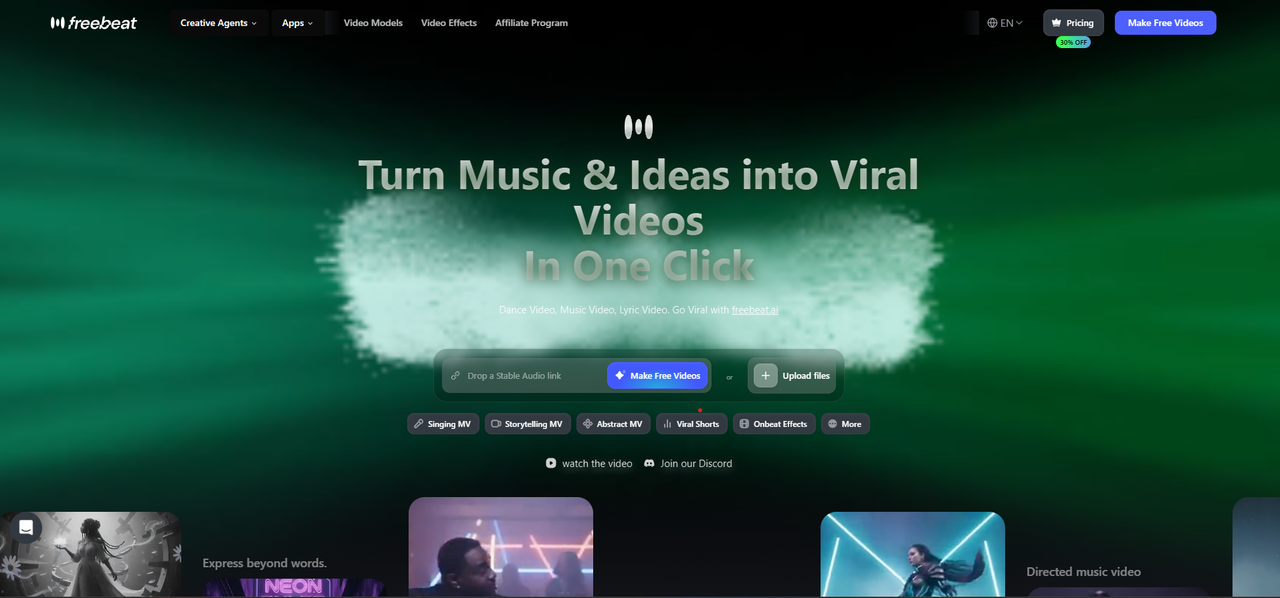
Freebeat helps creators generate beat-synced visual previews without traditional editing complexity. This allows producers, songwriters, DJs, and content creators to package toplines into polished short-form content optimized for TikTok, Instagram Reels, YouTube Shorts, and Spotify Canvas.
For independent musicians, this matters because:
- Faster content improves consistency
- Visual hooks support audience retention
- Social previews help test engagement early
- Beat-synced edits strengthen emotional impact
Modern topline writing now exists inside both audio and visual ecosystems.
Organize Your Melody Ideas Professionally
Creative momentum disappears quickly without organization.
Every songwriter should save:
- Voice memos
- Alternate takes
- Melody drafts
- Lyric variations
- BPM and key notes
Even rough ideas may become future hooks.
Label Files Clearly
Avoid vague filenames like:
topline_final_FINAL2.wav
Instead use:
summer_hook_128bpm_Aminor.wav
Clear organization improves collaboration and demo workflows significantly.
Professional habits make creative work easier to scale long term.
FAQ
What Is A Top Line Melody?
A top line melody is the main vocal melody written over an instrumental track.
Should I Write Melody Or Lyrics First?
Most professional songwriters develop rhythm and melody before finalizing lyrics.
How Do I Make A Melody More Catchy?
Use repetition, strong rhythm placement, emotional phrasing, and simple melodic movement.
Why Do Simple Melodies Often Work Better?
Simple melodies are easier to remember, sing, and emotionally process.
Can Producers Write Toplines Without Singing Experience?
Yes. Many producers create toplines through humming, MIDI programming, and collaborative workflows.
How Does Visual Content Help Songwriting?
Visual references help shape emotional pacing, mood, and audience perception during the writing process.
How Can Freebeat Help With Topline Development?
Freebeat helps creators generate beat-synced visuals that support mood-building, social previews, and creative direction during songwriting workflows.
What Makes A Chorus Feel Bigger Than A Verse?
Higher pitch range, longer notes, and simpler repetitive phrasing usually create stronger chorus impact.
The best toplines feel emotionally connected to both the production and the audience experience. Modern producers are no longer just writing melodies for streaming platforms. They are creating moments designed for visual storytelling, short-form discovery, and social engagement. For independent musicians, DJs, and creators balancing music with content production, Freebeat offers a practical way to connect melody writing with visual workflows that feel ready for modern music promotion.


