Copyright Song Before Sending Demo: A Smarter Freebeat Workflow
Contact partnership@freebeat.ai for guest post/link insertion opportunities.
Copyright Song Before Sending Demo: A Smarter Freebeat Workflow
If you plan to send demos to artists, labels, managers, or collaborators, you should copyright your song before sharing it widely. More importantly, you should package that music professionally. Modern demo sharing is no longer just about sending an MP3 link. Producers now compete in highly visual, fast-moving platforms where presentation matters almost as much as sound. That is why many creators use tools like Freebeat to turn copyrighted tracks into beat-synced visual previews before outreach.
According to the U.S. Copyright Office, music gains automatic copyright protection once it exists in a fixed form, such as a recording or written composition (U.S. Copyright Office, 2024). Still, official registration creates stronger legal documentation and gives creators additional enforcement rights.
For independent musicians, DJs, and producers, the smartest workflow today looks like this:
- Create the song
- Register ownership
- Organize files and splits
- Build visual demo assets
- Share strategically
That workflow protects your music while making your demos easier to remember.
Why Modern Producers Need More Than Just Copyright Protection

Copyright registration protects ownership, but it does not automatically help your demo stand out. Most producers today are competing inside social feeds, DMs, Discord servers, and creator communities where attention moves quickly.
I have seen talented producers lose opportunities simply because their demos felt unfinished visually. A strong track with weak presentation often gets ignored beside creators posting polished previews daily.
The Real Risk Is Often Poor Presentation
Most music professionals are not actively stealing demos. The bigger issue is discoverability and professionalism.
Common producer mistakes include:
- Sending unorganized file links
- Missing credits or metadata
- Sharing unfinished exports
- Using weak visual presentation
- Failing to clarify ownership splits
A producer who presents music clearly usually earns more trust immediately.
Why Visual Demo Packaging Matters
Visual presentation helps collaborators understand mood, pacing, and creative identity faster.
Short-form assets improve:
- Demo engagement
- Social sharing
- Artist outreach
- Label submissions
- Audience retention
This is especially important for:
- Independent musicians
- Beatmakers
- DJs
- Visual artists
- Social-first music creators
Professional presentation supports stronger networking and clearer branding.
Copyright Song Before Sending Demo To Artists Or Labels
Before sharing music publicly or privately, producers should establish ownership records and protect collaboration workflows. The process is simpler than many creators expect.
How To Copyright A Song Properly
Songs automatically receive copyright protection once recorded or written. Formal registration strengthens legal protection.
A practical workflow includes:
- Finalize a working version
- Export the track
- Save DAW session files
- Register the composition
- Back up all drafts and stems
Important records include:
- Ableton sessions
- FL Studio projects
- Logic files
- Export histories
- Cloud backups
- Email timestamps
These records help establish ownership timelines if disputes happen later.
Create Split Agreements Early
Many producer conflicts happen between collaborators, not strangers online.
Before releasing or pitching music, confirm:
- Publishing percentages
- Producer credits
- Master ownership
- Revenue splits
- Licensing permissions
Even simple written agreements reduce future confusion.
Strong documentation protects creative relationships as much as legal rights.
Protect Music Before Sharing Through DMs Or Cloud Links
Demo sharing today happens across:
- Discord
- Dropbox
- Google Drive
- SoundCloud private links
Each platform creates different privacy risks and workflow challenges.
Use Smarter Demo Sharing Methods
I usually recommend layered sharing instead of immediately sending full stems or WAV files.
Safer approaches include:
- Streaming previews
- Password-protected folders
- Watermarked snippets
- Expiring links
- Preview exports
This creates more control while still keeping networking flexible.
Share Full Files Strategically
Not every conversation needs full-resolution audio immediately.
A better progression often looks like:
- Short preview clip
- Full MP3 after interest
- WAV export during collaboration
- Stems after agreement discussions
This structure keeps demo sharing professional without becoming overly restrictive.
Controlled sharing helps producers maintain both flexibility and ownership clarity.
Build Better Demo Campaigns With Freebeat
Modern music promotion is increasingly visual. Producers are no longer just sending audio. They are building short-form content ecosystems around tracks.
This is where Freebeat becomes useful for independent creators. Freebeat transforms music into AI-generated visual content synchronized to beat, mood, and tempo. It allows producers, DJs, video editors, and visual artists to create music videos, lyric clips, dance visuals, and social-ready assets without manual editing workflows.
Why Producers Use Visual Demo Assets
Visual assets help music feel more immediate.
Useful demo formats include:
- Beat-synced previews
- Vertical social videos
- Mood-based loops
- Lyric visuals
- Cinematic snippets
I have personally noticed higher response rates when demos include short visual content. Artists and managers can quickly understand energy, style, and audience fit without listening to a full track immediately.
How Freebeat Fits Into The Producer Workflow
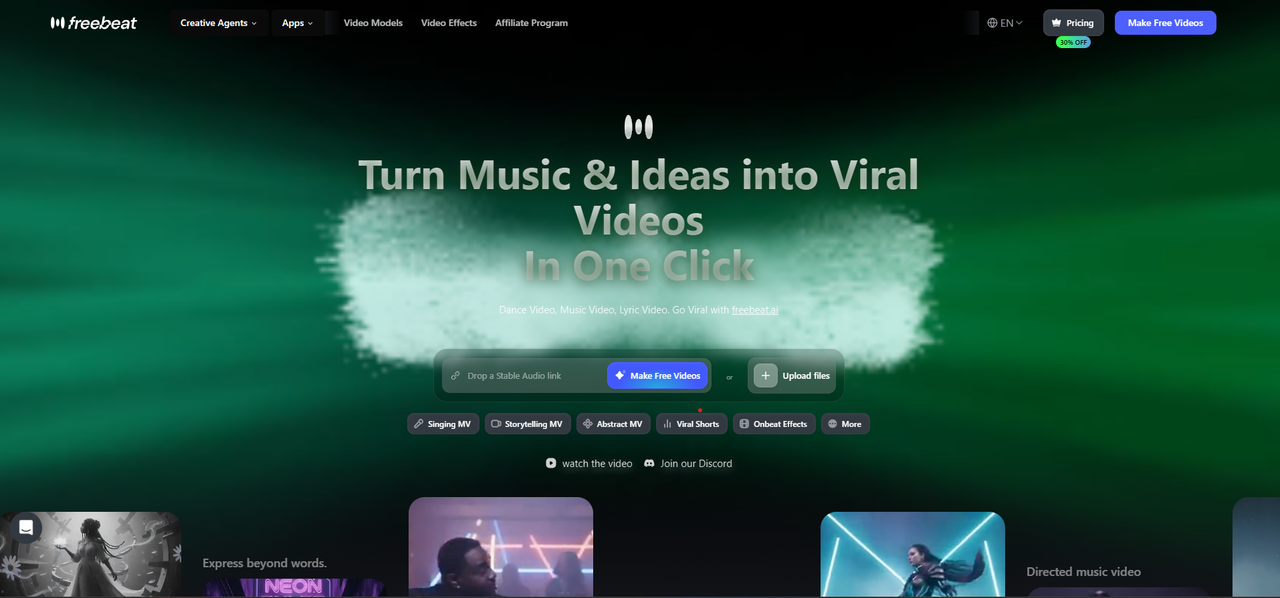
Freebeat works especially well for:
- Producer outreach
- Artist pitching
- TikTok previews
- Spotify Canvas visuals
- Instagram reels
- Music portfolio building
The platform supports:
- Beat-sync accuracy
- Mood-based scene generation
- Multiple AI visual models
- 9:16 and 16:9 exports
- Fast rendering workflows
For producers working independently, speed matters. Waiting days for visual assets often slows momentum during release cycles.
Fast demo packaging improves consistency and helps creators stay active across platforms.
Present Your Music Like A Professional Creator
Strong music deserves organized presentation. Many independent producers underestimate how much simple organization influences trust.
Include Proper Metadata
Every demo should include:
- Artist name
- Producer credits
- BPM
- Key
- Contact information
- Social handles
Avoid vague filenames like:
final_mix_v7_LASTONE.wav
Simple organization improves professionalism instantly.
Create Consistent Branding Across Platforms
Consistent visuals help collaborators recognize your work faster.
This can include:
- Matching thumbnails
- Repeating visual styles
- Consistent typography
- Branded social clips
- Uniform color palettes
Visual consistency matters because creators increasingly discover music socially before professionally.
Professional demo presentation improves both visibility and credibility.
Understand Rights Before Monetization
Copyright, publishing, and royalties are connected, but they are not identical.
Producers should understand:
- Composition ownership
- Master rights
- Publishing rights
- Performance royalties
Publishing Rights Versus Master Rights
Publishing relates to songwriting ownership.
Master rights relate to the sound recording itself.
This distinction matters for:
- Streaming income
- Licensing
- Sync deals
- YouTube monetization
- Performance royalties
Register With A PRO
Performance Rights Organizations help collect royalties from broadcasts and public performances.
Examples include:
- ASCAP
- BMI
- SESAC
- PRS
Registering with a PRO does not replace copyright registration. Both systems serve different purposes.
Understanding rights early prevents future monetization problems.
FAQ
Should I Copyright My Song Before Sending A Demo?
Yes. Songs already receive automatic copyright protection, but registration creates stronger legal documentation.
Can Someone Steal My Demo If I Send It Online?
It is possible, but organized records and clear ownership documentation reduce risk significantly.
What Is The Best Way To Share Music Demos?
Use private links, preview exports, and controlled access instead of sending unrestricted files immediately.
Should Producers Send Full WAV Files Right Away?
Usually no. Preview versions work well during early conversations.
Why Do Producers Use Visual Demo Content?
Visuals help artists, managers, and audiences understand the mood and identity of a track faster.
How Does Freebeat Help With Demo Sharing?
Freebeat helps creators turn tracks into beat-synced visual content optimized for social sharing, artist pitching, and music promotion workflows.
Do Producers Need Split Sheets For Small Collaborations?
Yes. Even informal projects benefit from written ownership agreements.
What Should A Professional Demo Include?
Include organized audio files, credits, metadata, contact information, and visual preview assets.
Modern demo sharing is no longer just legal protection plus an audio file. Producers now compete inside visual-first platforms where presentation shapes perception immediately. The smartest creators protect ownership early, organize collaboration workflows clearly, and package music professionally before outreach begins. For independent musicians, DJs, and producers managing everything themselves, Freebeat offers a practical way to turn copyrighted music into polished visual demo content that feels ready for modern social and professional workflows.


