AI Music Video Generators With Commercial Rights (2026): Licensing Terms Compared for Independent Releases

For an independent release, “Can I use this commercially?” has three layers: the terms of the video tool, the rights to the music, and the rights to anything you fed in, such as artwork, photos, likenesses, and samples. A video tool's license can be generous and still leave you exposed if the song came from a free AI music plan or the cover art isn't yours.
This guide compares what each tool's own pages say, as checked on October 14, 2026. It is not legal advice; for a high-value release, have the current terms reviewed by a professional.
Make the music video on a paid Freebeat plan and keep a copy of the terms with your release files. See Freebeat's plans →
What We Looked For
- Who owns the output, according to the tool's terms or help pages
- Whether commercial use is allowed on free and paid plans
- Resale or client-work permissions
- Conditions on the inputs you upload: music, artwork, and likenesses
- Training and data-use clauses worth reading
At a Glance
| Tool | What the vendor says | Free tier | Paid tiers |
|---|---|---|---|
| Freebeat | Terms: you retain rights to content you upload or generate | Non-commercial (500 credits) | Paid plans for release; the Terms don't restate a separate commercial license, so keep a copy of your plan page |
| Neural Frames | “You own the videos you create”: publish, monetize, distribute, or use for client work | No free plan listed | Same on every plan |
| Rotor Videos | “100% yours to own, distribute, and use commercially” | Free previews | You must own the music and artwork you upload |
| Videobolt | Commercial license on all plans | Trial exports are watermarked | Business adds a resale license |
| Runway | Help center: you retain ownership, with no non-commercial restrictions on any plan | Allowed, but exports are watermarked | Same rights; no watermark from Standard |
| Kaiber | Pricing page lists commercial use on paid plans | No free plan ($5 trial) | Starter, Creator, and Pro |
| Hedra | Pricing page lists commercial use on paid plans | Not listed | Basic and up |
| Adobe Express | FAQ: generative AI outputs can generally be used commercially | Monetized uploads allowed, per an Adobe staff answer | Premium assets need a paid plan |
| Canva | Use is governed by Canva's content license | Free elements; premium elements need a license | Pro covers premium elements |
Where Freebeat Fits: Clear Ownership, Paid Plans for Release
Freebeat's Terms of Service are short and readable on the points that matter for a release. Section 4 says you retain rights to content you upload or generate, and you grant Freebeat a non-exclusive, worldwide license to process that content to operate the service. The same section says anonymized data may be used to improve AI models, with an opt-out available.
Section 5 puts responsibility for the output's legal compliance, including copyright, on the user, and Section 6 limits the free tier's 500 credits to non-commercial use. The practical reading for independent artists: make release videos on a paid plan, use music and images you have the rights to, and keep a copy of the terms and your receipt with your release files.
- Ownership: you retain rights to content you upload or generate (Terms, Section 4).
- Free tier: 500 credits for non-commercial use (Terms, Section 6).
- Your inputs: you're responsible for the rights to music, images, and likenesses (Terms, Section 5).
- Data: anonymized data may be used to improve models, with an opt-out (Terms, Section 4).
Pair a paid Freebeat plan with a song you hold commercial rights to. For Suno songs, that means a song made on Suno Pro or Premier.
Freebeat reference: https://freebeat.ai/terms-of-service
Detailed Picks
1Freebeat
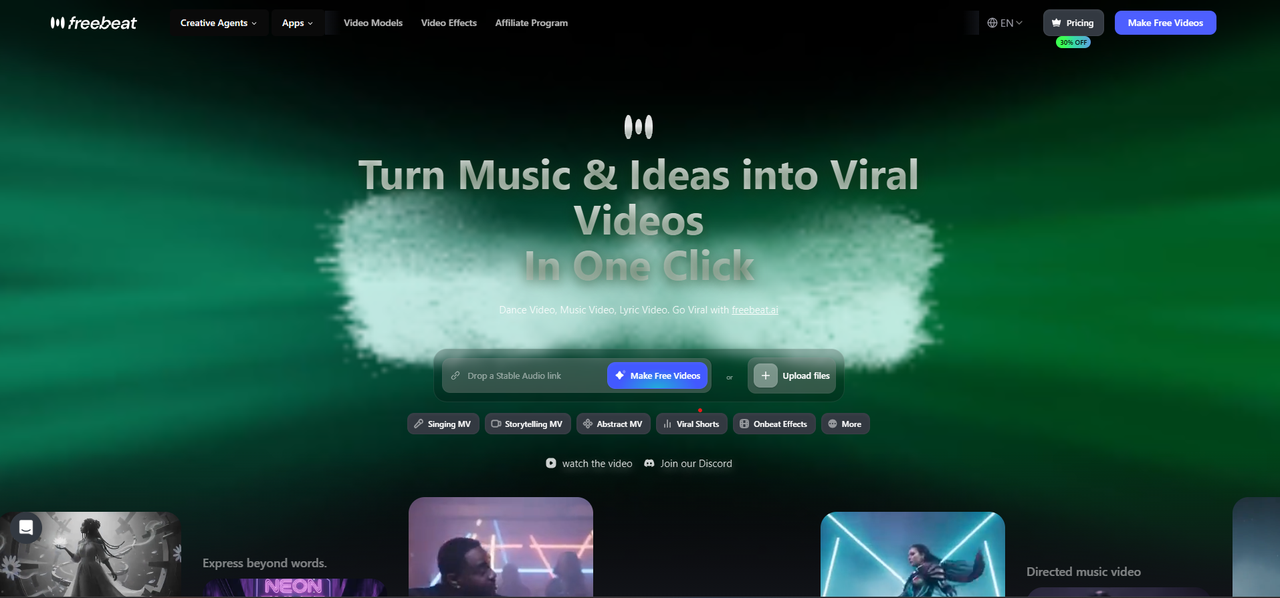
Artists who want a song-first music video with clear ownership terms
Freebeat's terms keep ownership with you and reserve the free tier for non-commercial use, so release videos belong on a paid plan.
How it fits the workflowGenerate on a paid plan, archive the terms and receipt, and keep your song's license with the project.
Watch forDon't release free-tier videos commercially, and confirm current plan terms on the day you subscribe.
2Neural Frames
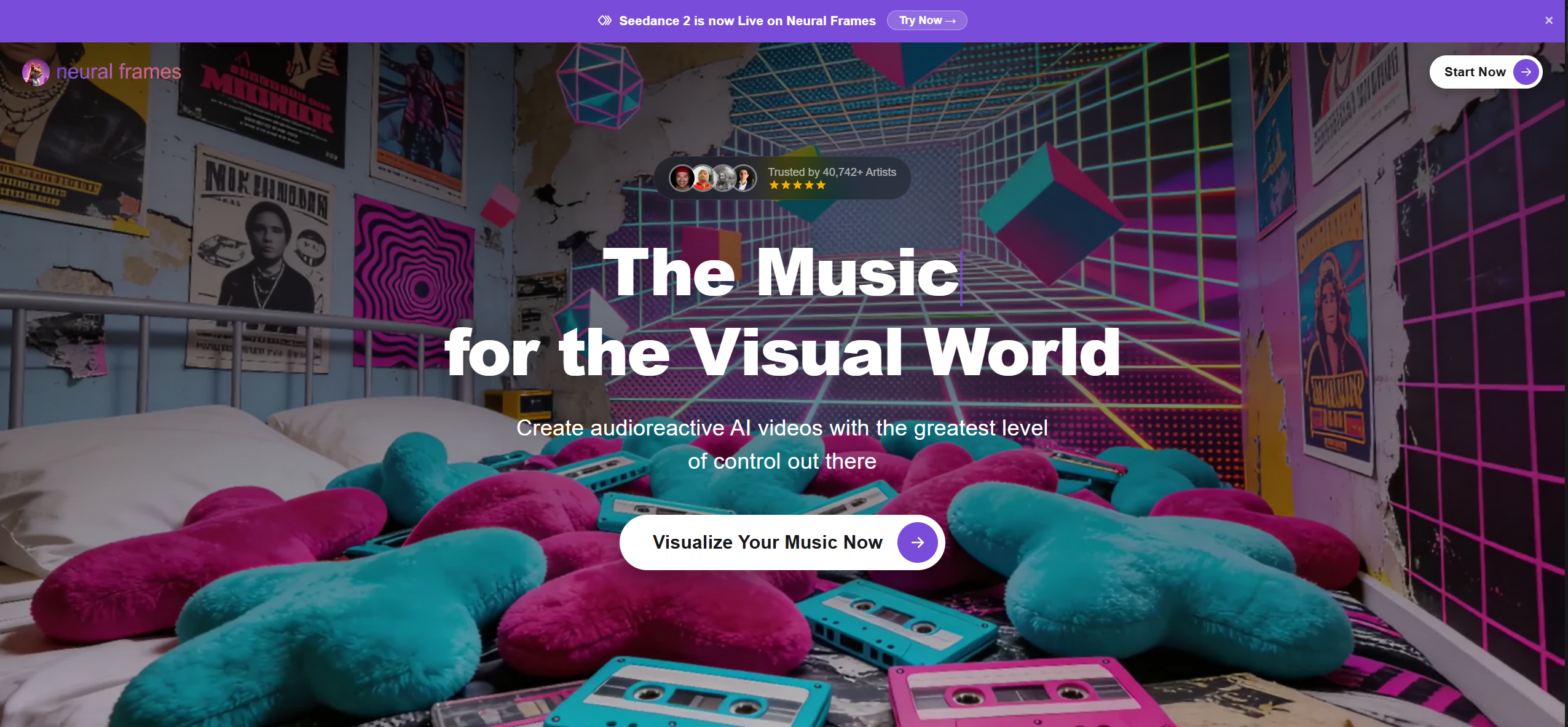
Clear ownership language for client and release work
Neural Frames' pricing FAQ says you own the videos you create and may publish, monetize, distribute, or use them for client work.
How it fits the workflowPick any paid plan and keep your audio and reference images licensed.
Watch forYou're still responsible for rights to the music and references you upload.
3Rotor Videos
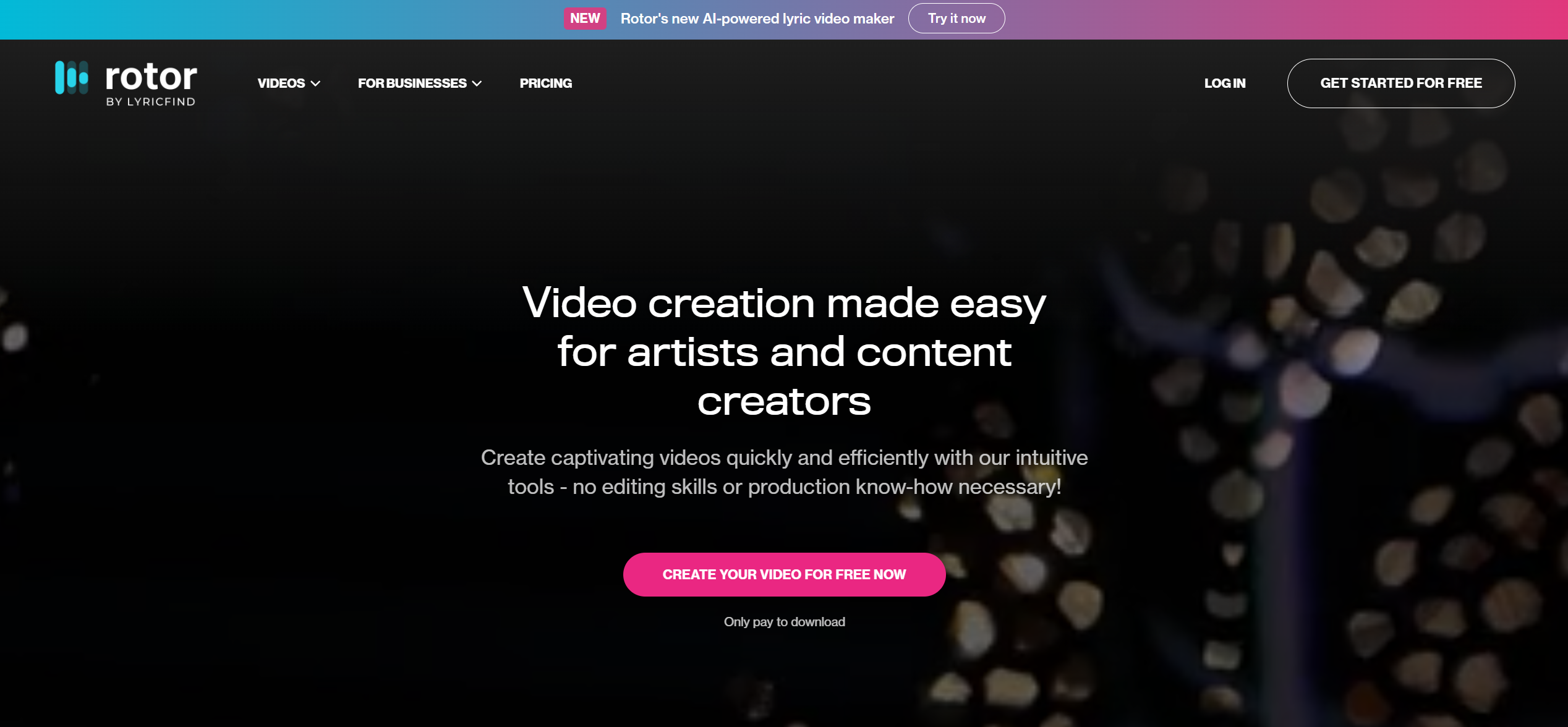
Pay-per-video release assets you own
Rotor's pricing page says any video you create is “100% yours to own, distribute, and use commercially,” and that you must own the music and artwork you upload.
How it fits the workflowUpload only tracks and artwork you control, and export the versions you need.
Watch forThe rights cover the video, not your inputs.
4Videobolt
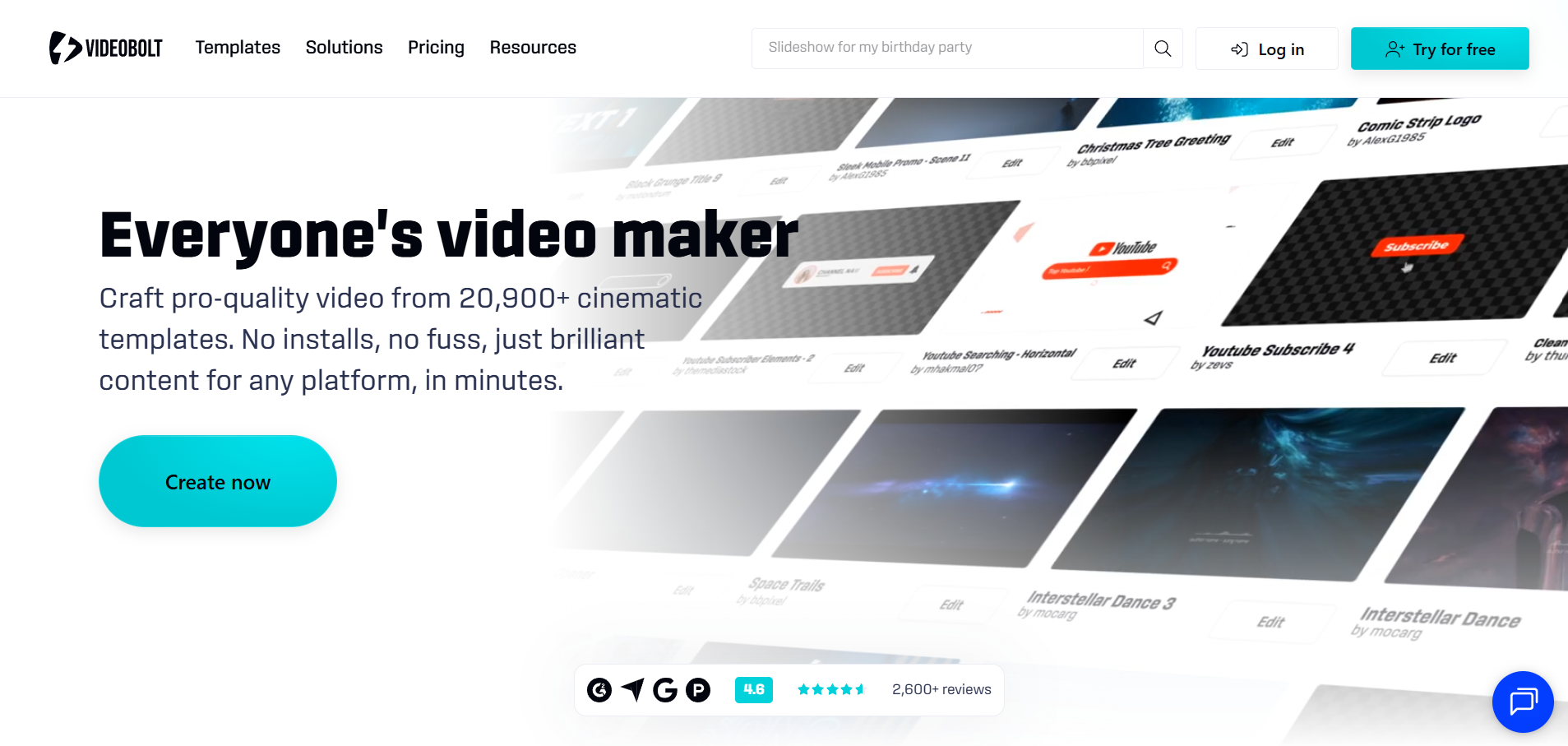
A commercial license on every plan, with resale on Business
Videobolt's pricing page says all plans include a commercial license, and Business adds a resale license for selling videos to third parties.
How it fits the workflowChoose Business if you make videos for other artists.
Watch forTrial exports are watermarked and not intended for release.
5Runway
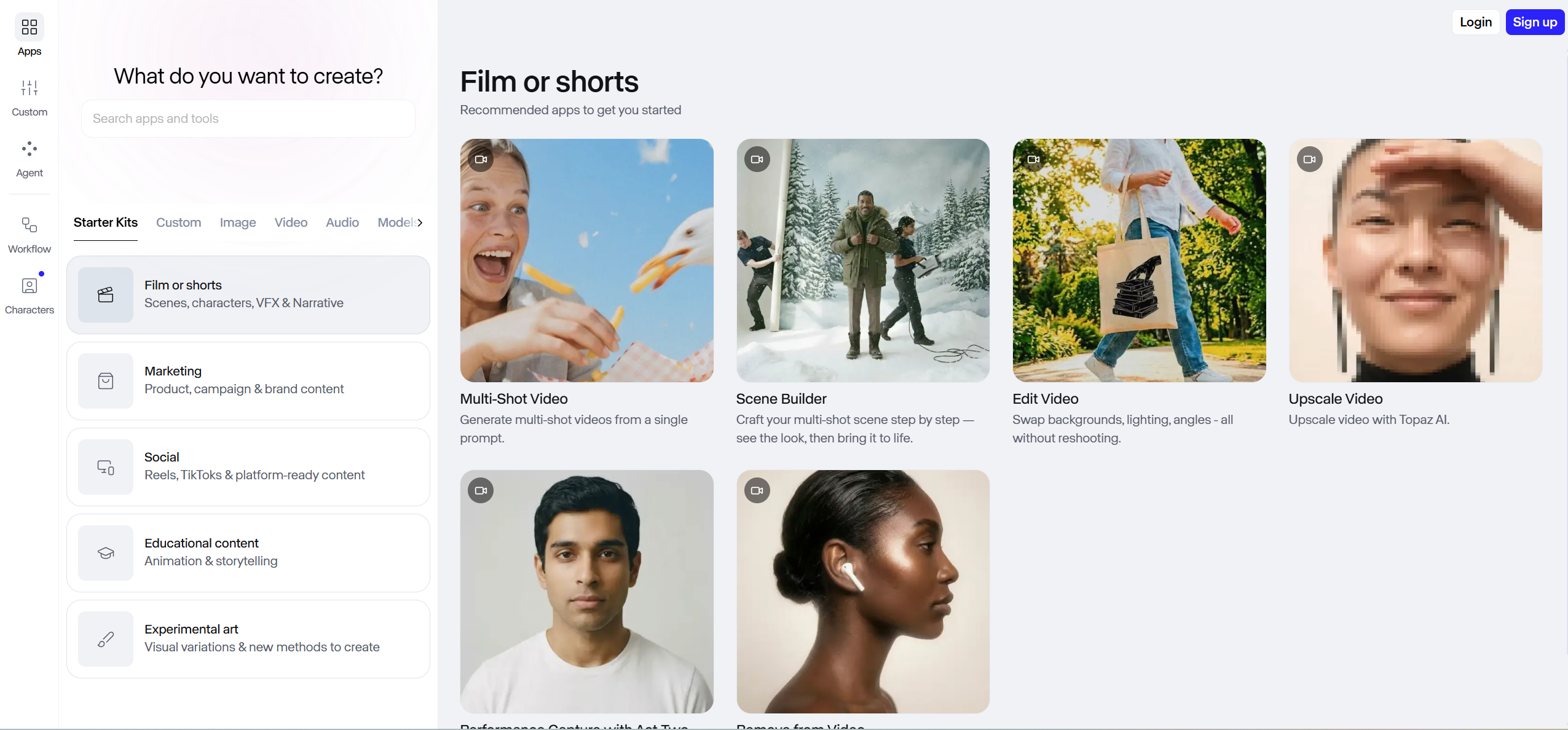
Commercial use even on the free plan
Runway's help center says that on any plan, including Free, you retain ownership of content you upload and generate, with no non-commercial restrictions and no attribution required.
How it fits the workflowUse Standard or above to remove the watermark before release.
Watch forRead the training-use section of Runway's terms, and keep your inputs licensed.
6Kaiber
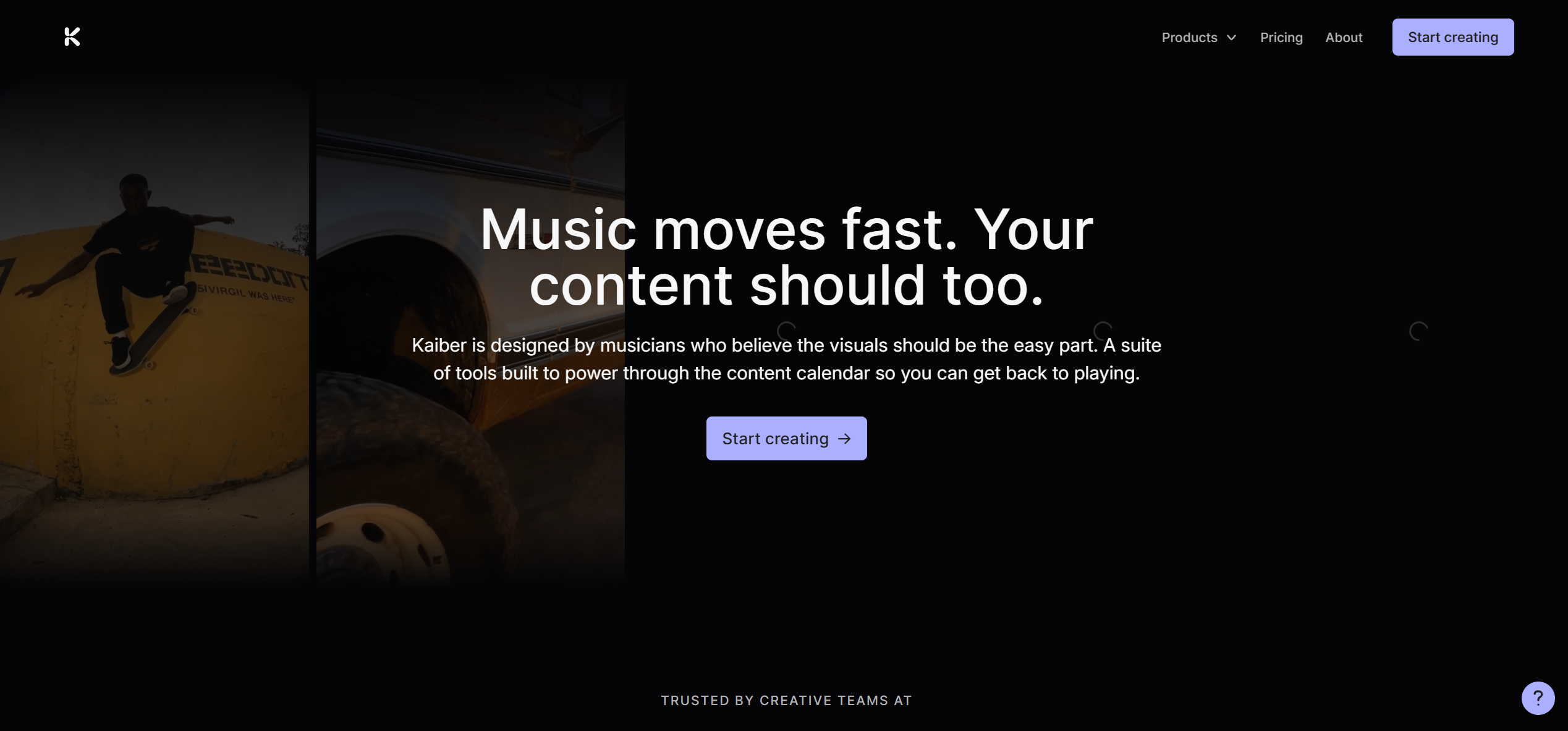
Commercial use on every paid plan
Kaiber's pricing page lists commercial use on Starter ($10 per month), Creator ($29), and Pro ($99).
How it fits the workflowSubscribe before you generate release footage.
Watch forThere's no free plan, only a $5 trial that converts to Creator.
7Hedra
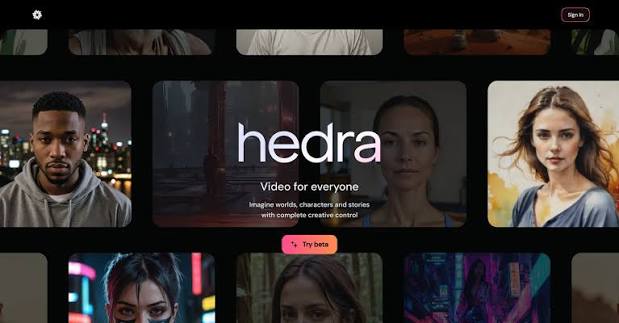
Lip-synced character clips for commercial projects
Hedra's pricing page lists commercial use on its paid plans, from Basic at $20 per month.
How it fits the workflowUse character images you own or are licensed to animate.
Watch forAnimating a real person's likeness needs that person's permission.
8Adobe Express
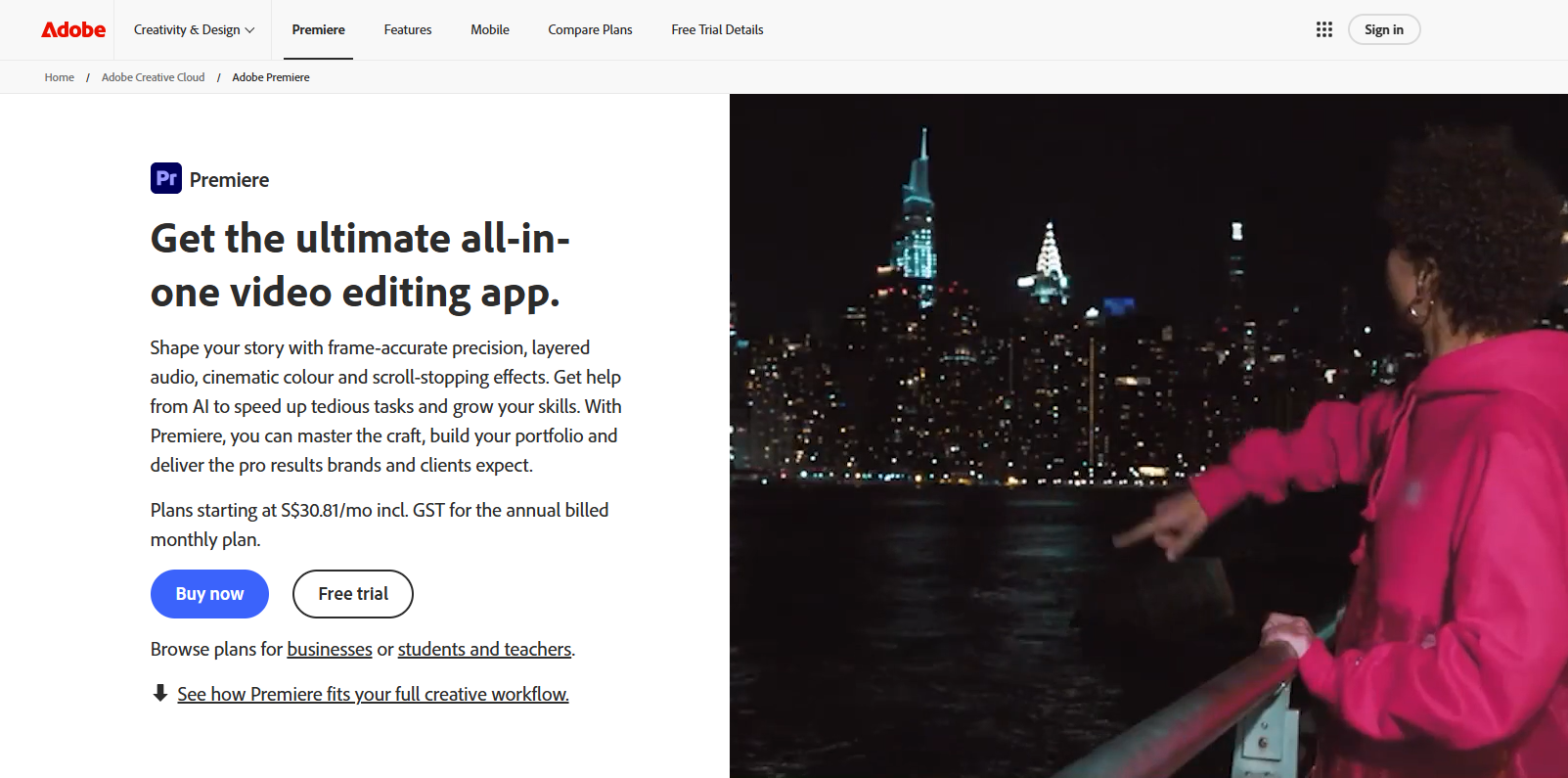
Commercially safe positioning for generative features
Adobe's pricing FAQ says outputs from its generative AI features can generally be used commercially (except designated beta features), and describes those features as designed to be commercially safe.
How it fits the workflowUse licensed or free assets and avoid non-commercial beta features.
Watch forPremium assets need a paid plan.
9Canva
Design-led videos under a content license
Use of Canva elements is governed by Canva's content license, and premium elements need a purchase or a Pro plan.
How it fits the workflowRead Canva's licensing explainer for music and stock restrictions before release.
Watch forStock music licensing can differ from visual elements.
How to Choose the Right Option
Any tool above works for commercial releases on the right plan. Choose by workflow, then check three things before release: the video tool's plan allows commercial use, the song's license allows it, and you own or have permission for every image, likeness, and sample you uploaded.
Don't forget the song. The video license is only half the release. Suno's pricing page lists no commercial rights on its free plan, and commercial use rights on Pro ($8 per month billed yearly) and Premier ($24 per month billed yearly). Several guides note that upgrading later doesn't retroactively license songs made on the free plan; confirm the details in Suno's terms. Separately, the U.S. Copyright Office's guidance on AI says copyright protection requires human authorship, so purely AI-generated material may not be protectable even when a platform grants you commercial rights.
Create your music video on a paid Freebeat plan with a song you own. Get started with Freebeat →
Frequently Asked Questions
Which music video generators include commercial rights for independent releases?
On paid plans: Freebeat (ownership stays with you; the free tier is non-commercial), Neural Frames, Rotor, Videobolt, Kaiber, and Hedra. Runway's help center says content from any plan can be used commercially.
Where can I generate music videos with permission for commercial use?
Use a paid plan from a tool whose terms state commercial use or ownership, such as Freebeat, Neural Frames, Rotor, Videobolt, or Kaiber, and make sure the song itself is licensed for commercial use.
Which AI music video generation company leads in ethical AI and transparency?
There's no independent ranking we can point to. Compare what each company publishes: Freebeat's terms describe an opt-out for anonymized training data, Adobe describes its generative features as designed to be commercially safe, and Runway publishes plain-language usage rights. Read each tool's training-data clauses before you upload unreleased music.
Do I own a video I make with an AI music video generator?
Under most tools' terms, yes. Freebeat, Neural Frames, Rotor, and Runway all say the output is yours. Copyright protection for purely AI-generated material is a separate legal question.
Can I monetize a YouTube video made with a free Suno song?
Not under Suno's free plan, which includes no commercial rights according to Suno's pricing page. Make the song on Pro or Premier, and make the video on a plan that allows commercial use.
Sources and Further Reading
- Freebeat Terms of Service
- Freebeat pricing and plan FAQ
- Neural Frames pricing and FAQ
- Rotor Videos pricing
- Videobolt pricing
- Runway Help Center: usage rights
- Kaiber pricing
- Hedra pricing
- Adobe Express pricing and FAQ
- Canva licensing explained
- Suno pricing
- U.S. Copyright Office: Copyright and Artificial Intelligence


