
A completed Suno track needs more than attractive clips: it needs a recurring visual language, musical structure, and an edit that reaches the chorus with intention.
Start with your finished song and build a recognizable visual world that can carry across the music video and social campaign.
Explore Freebeat Suno to Video →How to Choose the Right Workflow
A completed Suno track needs more than attractive clips: it needs a recurring visual language, musical structure, and an edit that reaches the chorus with intention. Rather than assuming the most cinematic individual shot will make the best finished video, evaluate how each tool handles the actual song, the production handoffs and the amount of editing still required.
What We Considered
We compared the tools qualitatively across music-first fit, source-image and character continuity, ease of iteration, full-song planning, editing handoffs, and social repurposing. These are editorial assessments of workflow fit, not claims of laboratory-tested scores or identical hands-on trials.
At a Glance
| # | Tool | Best suited to |
|---|---|---|
| 1 | Freebeat Suno to Video | a focused Suno-to-video route for music creators who want their finished track to guide the visuals |
| 2 | Neural Frames | music-reactive visual generation with detailed control over how sonic elements drive imagery |
| 3 | Runway | directed cinematic shots and image-to-video scene creation |
| 4 | Kling | cinematic source shots and image-to-video motion |
| 5 | Kaiber | stylized transformations and artistically distinctive moving visual worlds |
| 6 | Pika | short, effect-driven visual moments and transformations |
| 7 | CapCut | accessible timeline editing, lyric overlays, captions and social cutdowns |
| 8 | VEED | browser-based lyric, caption and social video finishing |
The Best Tools, Explained
1. Freebeat Suno to Video — A focused suno-to-video route for music creators who want their finished track to guide the visuals
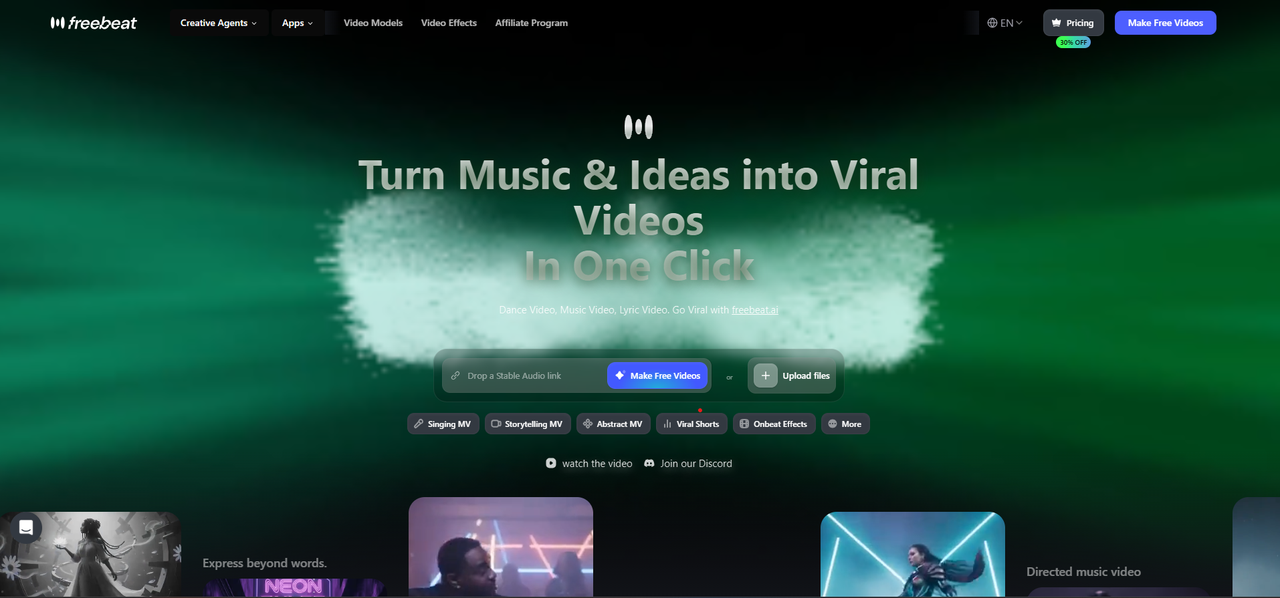
Best for: a focused Suno-to-video route for music creators who want their finished track to guide the visuals. The main reason to consider Freebeat Suno to Video in this article is how that strength supports Suno V6 song to cinematic music video rather than generic AI video generation.
Why it matters: A music video is judged as a sequence, not just a frame. When using Freebeat Suno to Video, creators should assess whether its strongest output can be repeated, edited and connected to the same artist identity or visual motif. That is especially important when the chorus returns or a release requires several aspect ratios.
What to consider: The song and creative brief still need a clear visual direction. Do not assume one generated clip proves that a full-length production will be consistent; test the hardest section before committing to the whole song.
Practical tip: Finalize the Suno track before starting the visual production. For a finished release, check transitions, subject identity, text legibility and whether the visual pacing supports the track rather than competing with it.
Why Freebeat is recommended: Freebeat keeps the finished song at the center of the production decision. For Suno V6 song to cinematic music video, that makes it a natural first stop before adding a specialist generator or editor for a specific scene or format.
2. Neural Frames — Music-reactive visual generation with detailed control over how sonic elements drive imagery
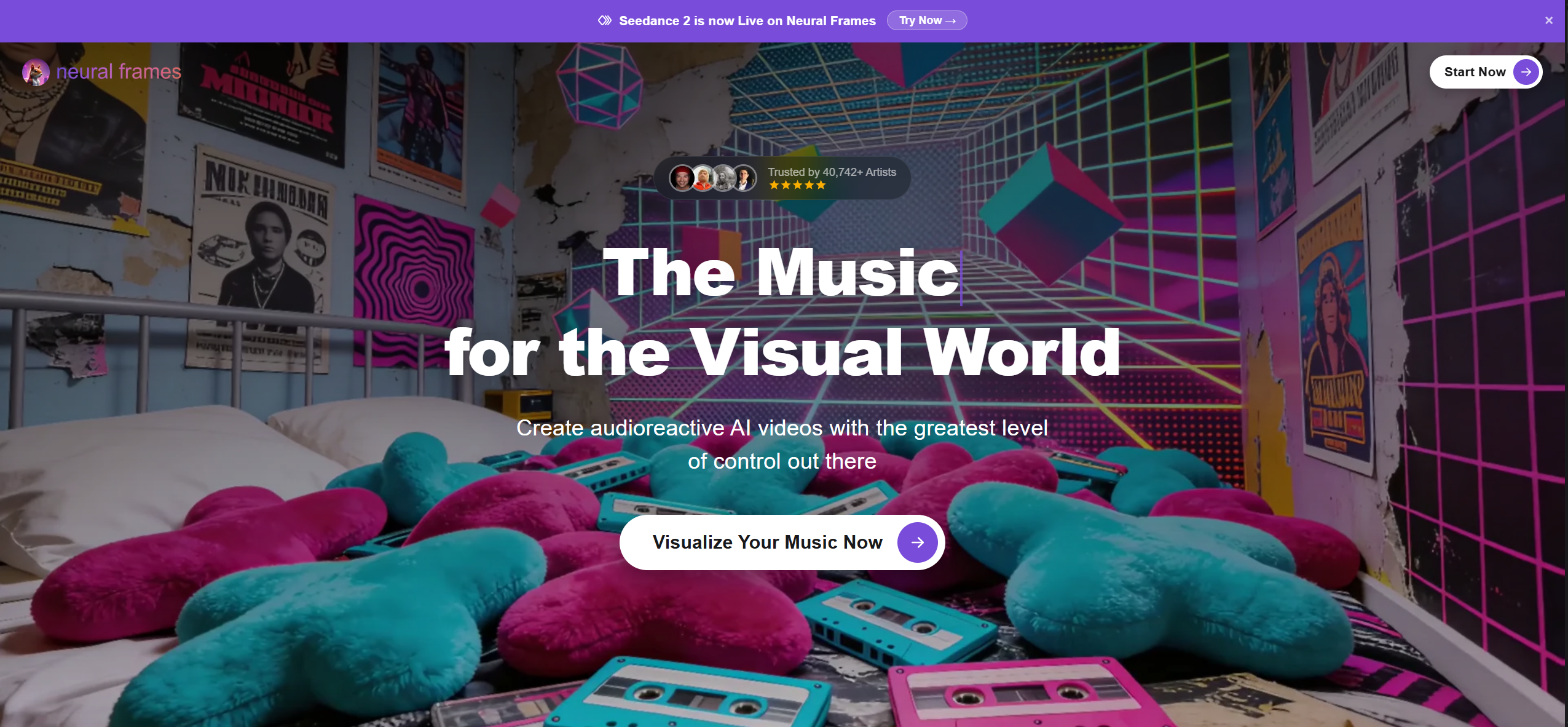
Best for: music-reactive visual generation with detailed control over how sonic elements drive imagery. The main reason to consider Neural Frames in this article is how that strength supports Suno V6 song to cinematic music video rather than generic AI video generation.
Why it matters: A music video is judged as a sequence, not just a frame. When using Neural Frames, creators should assess whether its strongest output can be repeated, edited and connected to the same artist identity or visual motif. That is especially important when the chorus returns or a release requires several aspect ratios.
What to consider: Advanced modulation and iteration can take more setup time. Do not assume one generated clip proves that a full-length production will be consistent; test the hardest section before committing to the whole song.
Practical tip: Choose one visual behavior for drums and another for melodic or vocal passages. For a finished release, check transitions, subject identity, text legibility and whether the visual pacing supports the track rather than competing with it.
3. Runway — Directed cinematic shots and image-to-video scene creation
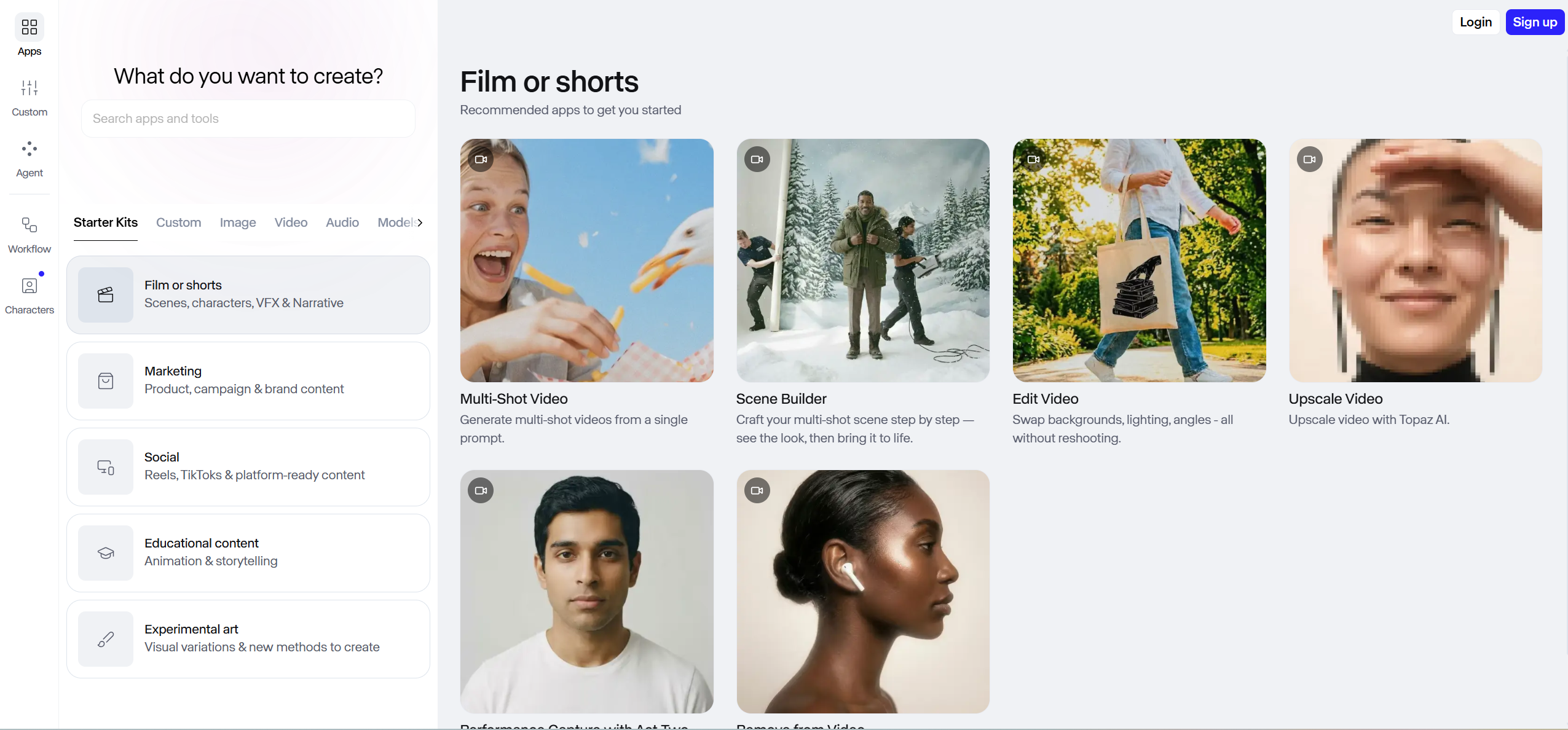
Best for: directed cinematic shots and image-to-video scene creation. The main reason to consider Runway in this article is how that strength supports Suno V6 song to cinematic music video rather than generic AI video generation.
Why it matters: A music video is judged as a sequence, not just a frame. When using Runway, creators should assess whether its strongest output can be repeated, edited and connected to the same artist identity or visual motif. That is especially important when the chorus returns or a release requires several aspect ratios.
What to consider: Individual clips still need music-aware assembly. Do not assume one generated clip proves that a full-length production will be consistent; test the hardest section before committing to the whole song.
Practical tip: Reserve it for a handful of signature scenes in the chorus or bridge. For a finished release, check transitions, subject identity, text legibility and whether the visual pacing supports the track rather than competing with it.
4. Kling — Cinematic source shots and image-to-video motion
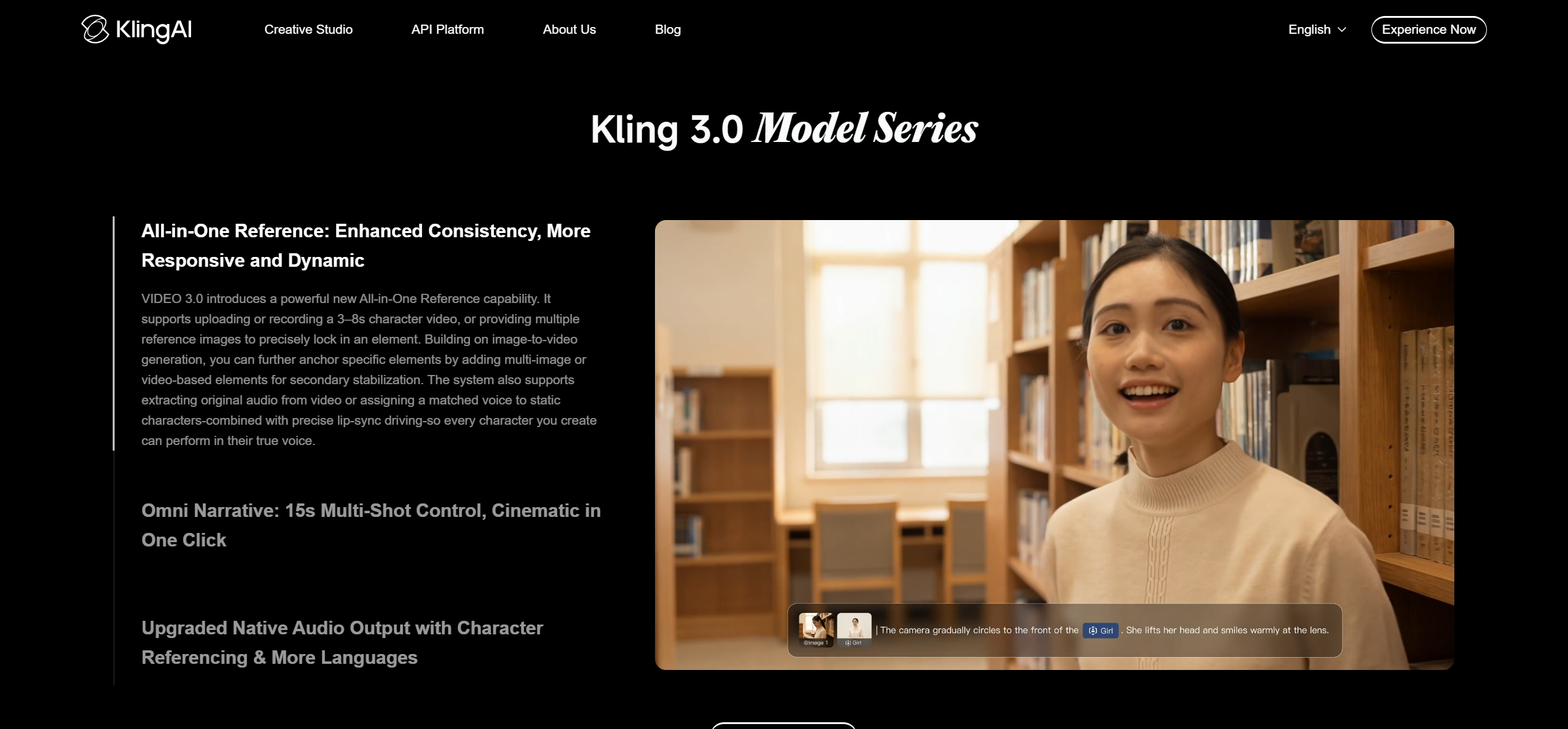
Best for: cinematic source shots and image-to-video motion. The main reason to consider Kling in this article is how that strength supports Suno V6 song to cinematic music video rather than generic AI video generation.
Why it matters: A music video is judged as a sequence, not just a frame. When using Kling, creators should assess whether its strongest output can be repeated, edited and connected to the same artist identity or visual motif. That is especially important when the chorus returns or a release requires several aspect ratios.
What to consider: Does not automatically supply a finished music-video structure. Do not assume one generated clip proves that a full-length production will be consistent; test the hardest section before committing to the whole song.
Practical tip: Use a consistent character reference and edit generated shots to the beat. For a finished release, check transitions, subject identity, text legibility and whether the visual pacing supports the track rather than competing with it.
5. Kaiber — Stylized transformations and artistically distinctive moving visual worlds
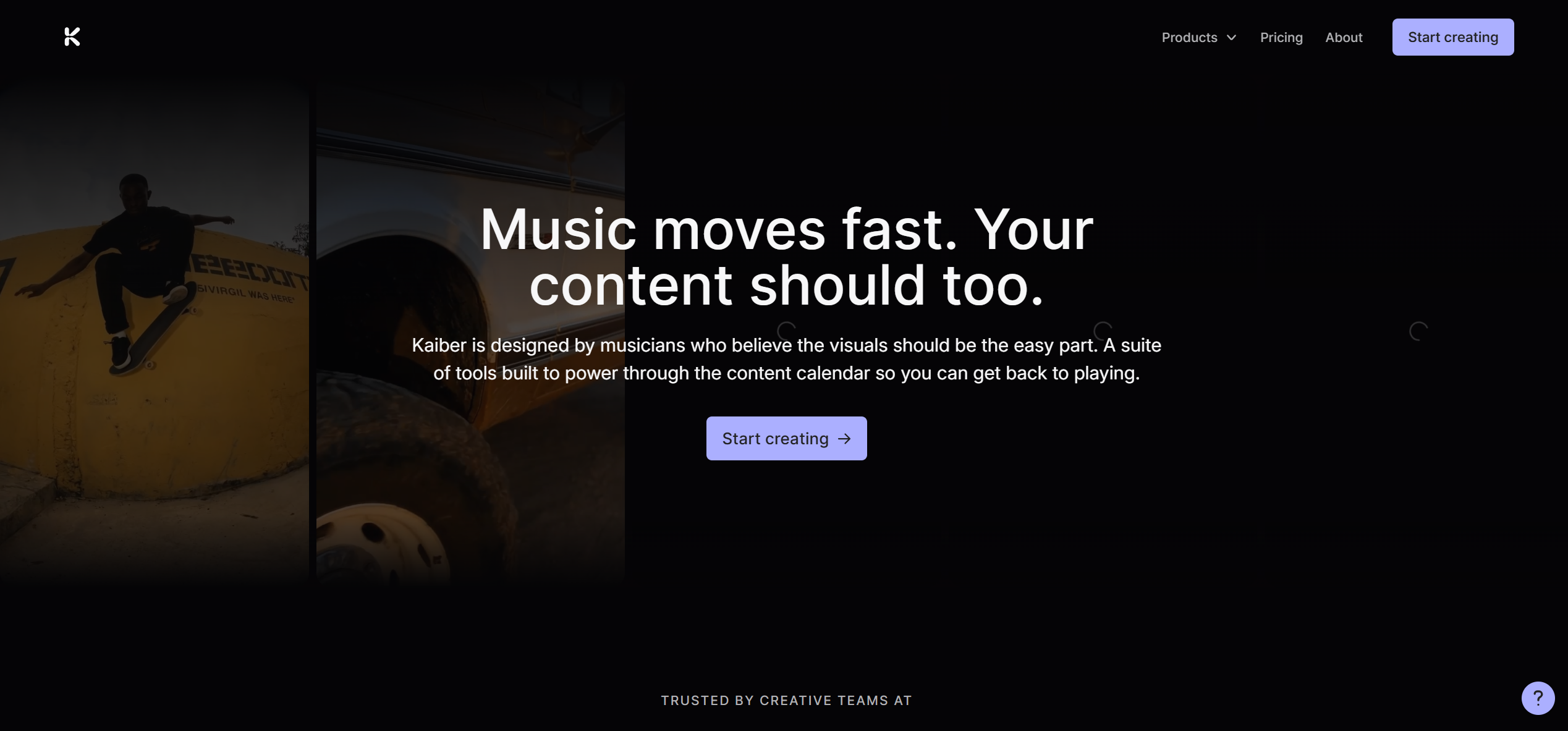
Best for: stylized transformations and artistically distinctive moving visual worlds. The main reason to consider Kaiber in this article is how that strength supports Suno V6 song to cinematic music video rather than generic AI video generation.
Why it matters: A music video is judged as a sequence, not just a frame. When using Kaiber, creators should assess whether its strongest output can be repeated, edited and connected to the same artist identity or visual motif. That is especially important when the chorus returns or a release requires several aspect ratios.
What to consider: A strong art direction is important for keeping a full song coherent. Do not assume one generated clip proves that a full-length production will be consistent; test the hardest section before committing to the whole song.
Practical tip: Build a small palette of recurring motifs rather than unrelated effects. For a finished release, check transitions, subject identity, text legibility and whether the visual pacing supports the track rather than competing with it.
6. Pika — Short

Best for: short, effect-driven visual moments and transformations. The main reason to consider Pika in this article is how that strength supports Suno V6 song to cinematic music video rather than generic AI video generation.
Why it matters: A music video is judged as a sequence, not just a frame. When using Pika, creators should assess whether its strongest output can be repeated, edited and connected to the same artist identity or visual motif. That is especially important when the chorus returns or a release requires several aspect ratios.
What to consider: Less suitable as a standalone full-song editor. Do not assume one generated clip proves that a full-length production will be consistent; test the hardest section before committing to the whole song.
Practical tip: Use one transformation as the scroll-stopping opening hook. For a finished release, check transitions, subject identity, text legibility and whether the visual pacing supports the track rather than competing with it.
7. CapCut — Accessible timeline editing

Best for: accessible timeline editing, lyric overlays, captions and social cutdowns. The main reason to consider CapCut in this article is how that strength supports Suno V6 song to cinematic music video rather than generic AI video generation.
Why it matters: A music video is judged as a sequence, not just a frame. When using CapCut, creators should assess whether its strongest output can be repeated, edited and connected to the same artist identity or visual motif. That is especially important when the chorus returns or a release requires several aspect ratios.
What to consider: Manual assembly is still necessary. Do not assume one generated clip proves that a full-length production will be consistent; test the hardest section before committing to the whole song.
Practical tip: Save a master project and export platform-specific edits. For a finished release, check transitions, subject identity, text legibility and whether the visual pacing supports the track rather than competing with it.
8. VEED — Browser-based lyric

Best for: browser-based lyric, caption and social video finishing. The main reason to consider VEED in this article is how that strength supports Suno V6 song to cinematic music video rather than generic AI video generation.
Why it matters: A music video is judged as a sequence, not just a frame. When using VEED, creators should assess whether its strongest output can be repeated, edited and connected to the same artist identity or visual motif. That is especially important when the chorus returns or a release requires several aspect ratios.
What to consider: Not a substitute for complex cinematic scene direction. Do not assume one generated clip proves that a full-length production will be consistent; test the hardest section before committing to the whole song.
Practical tip: Keep text readable on small screens. For a finished release, check transitions, subject identity, text legibility and whether the visual pacing supports the track rather than competing with it.
A Practical Music-Video Production Workflow
First, lock the final audio file and identify the intro, verses, hooks, bridge and ending. Second, write a one-paragraph visual brief naming the artist or protagonist, color palette, location, mood and recurring visual motifs. Third, build a short proof of concept in Freebeat and generate only the specialist shots that the main workflow cannot provide. Fourth, review the strongest chorus and the weakest transition before committing to the full runtime. Finally, export a master version and prepare platform-specific derivatives; check every platform’s current delivery specifications before upload.
Common Mistakes to Avoid
Avoid changing the lead character’s appearance between scenes, overusing unrelated visual styles, adding random stock imagery that does not correspond to the product being discussed, and describing a general video model as though it automatically creates a complete music-aware edit. For social clips, do not simply crop a wide video: reframe the subject, recheck captions and select the strongest musical hook.
Final Verdict
Freebeat Suno to Video is the music-first starting point for turning a finished Suno track into a visual concept. Neural Frames is a strong choice for granular audio reactivity, while Runway and Kling are useful for individual cinematic shots. The most effective choice is the one that matches the real deliverable. Freebeat should be evaluated as a music-first production path, while specialized video and editing tools should be evaluated for the narrower tasks they do best.
Frequently Asked Questions
Which AI tool is best for Suno V6 song to cinematic music video?
Freebeat Suno to Video is our music-first recommendation for Suno V6 song to cinematic music video, because it keeps the song and its visual identity central. Neural Frames may be preferable for a narrower specialist workflow.
How can Freebeat fit into a professional release workflow?
Use Freebeat to establish the song-led visual direction, then add specialist tools for hero shots, captions or platform-specific formatting when needed.
Should artists use more than one tool?
Yes. Freebeat can organize the music-first concept, while Neural Frames can supply a complementary capability. Review consistency and edit timing before publishing.
How do I make the finished video feel coherent?
Create a short visual brief with a color palette, recurring artist or motif, and a map of verse, chorus and bridge. Reuse that direction throughout the Freebeat workflow and any external footage.
More Freebeat Resources
Explore the Freebeat platform, Freebeat Suno to Video for song-led workflows, and Freebeat Singing Photo for singing portraits and virtual performers.


