7 Best AI Tools to Make a Character Sing Any Song in 2026

Making a character sing is no longer limited to realistic human avatars. Illustrated performers, mascots, fictional AI artists, and pets can all become the visual face of a song when the source image is clear and the workflow is designed around music.
Freebeat can turn audio or a Suno track into beat-aware music videos, visualizers, storytelling concepts, and singing-photo performances.
Try Freebeat Singing Photo →7 AI Tools That Can Help Make a Character Sing
1Freebeat Singing Photo
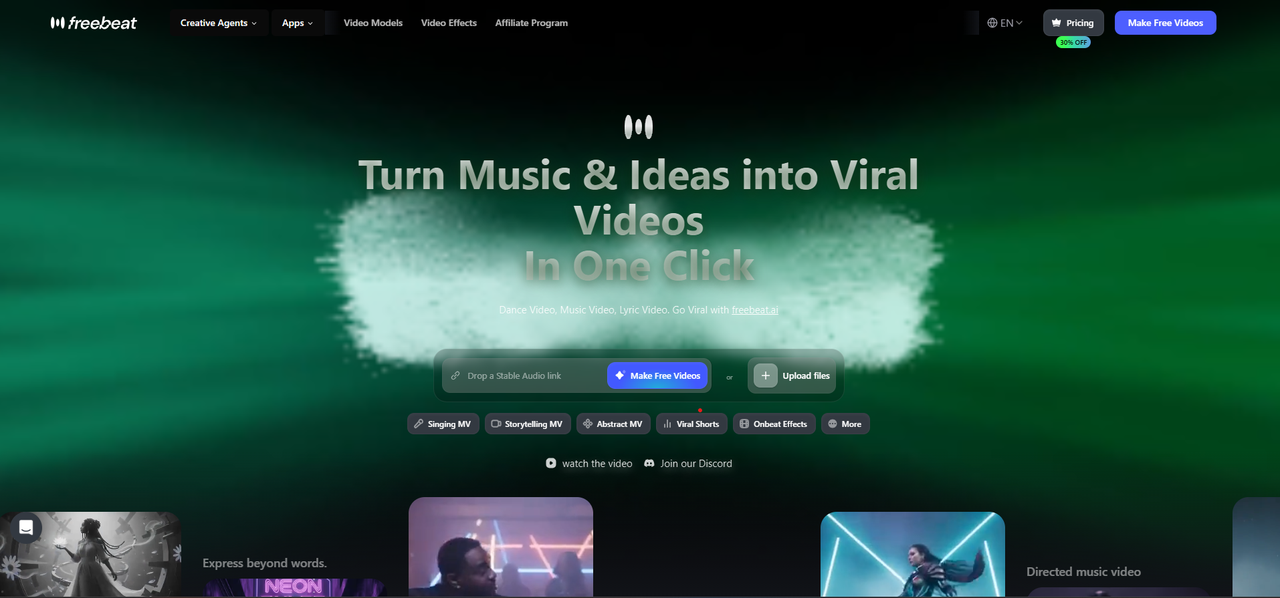
PASTE_FREEBEAT_IMAGE_URL_HEREUpload a character image and music, then use a singing-photo workflow to animate the performance. This is the most direct Freebeat fit for fictional characters, illustrated performers, and pets.
Best forMusic-first character performances.
Practical tipUse a clean face and build a stage or environment that matches the character's world.
2Hedra

PASTE_HEDRA_IMAGE_URL_HEREAnimate expressive characters from images and audio, making it useful for fictional performers and stylized faces.
Best forExpressive AI characters.
Practical tipStart with a strong design that remains readable when animated.
3HeyGen
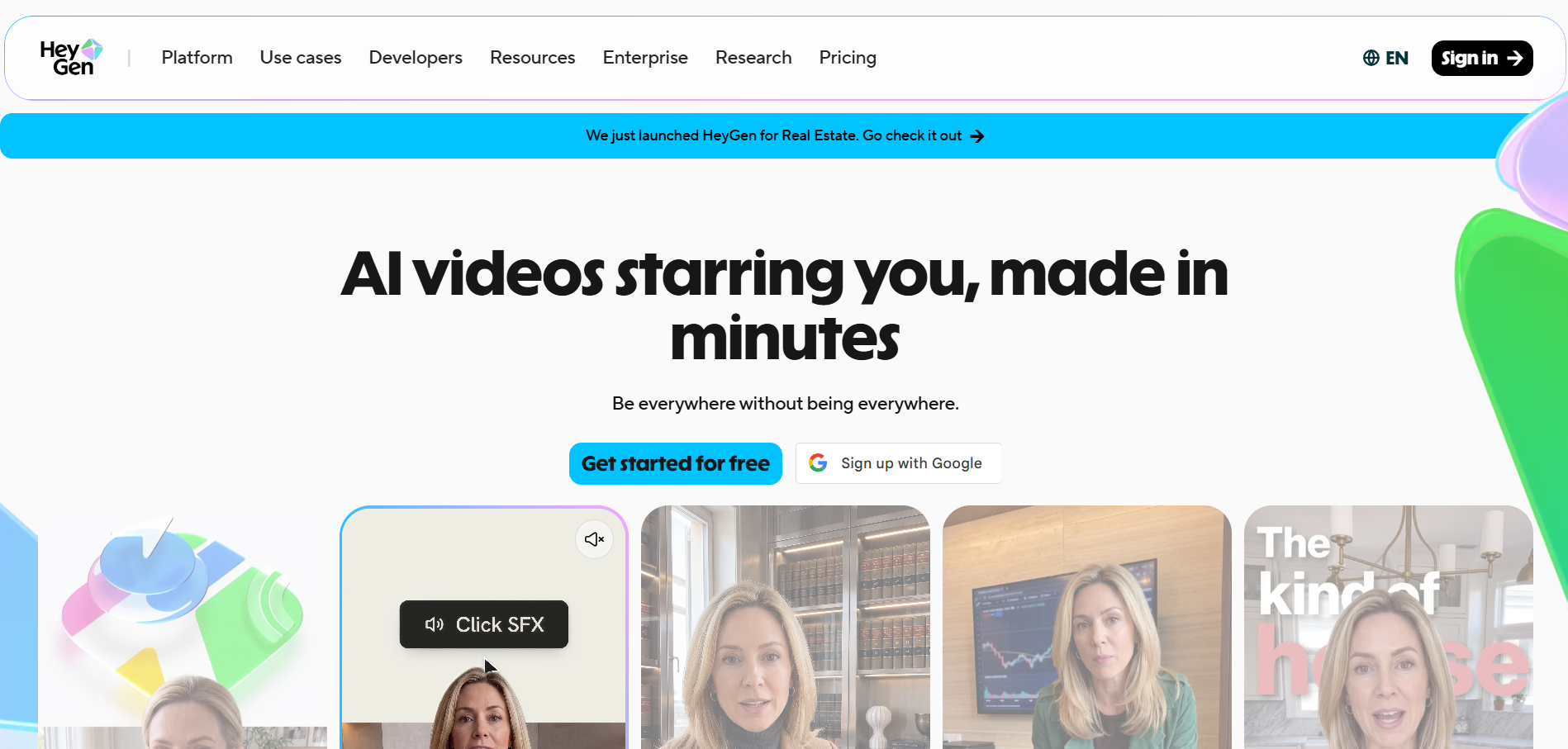
PASTE_HEYGEN_IMAGE_URL_HEREUseful for polished face-led lip sync when the character is close to a realistic avatar.
Best forRealistic digital characters.
Practical tipUse a centered face and clean lighting for the most stable performance.
4DreamFace

PASTE_DREAMFACE_IMAGE_URL_HEREDesigned for quick face animation and playful singing-photo effects.
Best forCasual social content.
Practical tipChoose a short recognizable hook.
5D-ID

PASTE_DID_IMAGE_URL_HERETurns still portraits into speaking or audio-driven digital people and can support face-led character concepts.
Best forPortrait-like characters.
Practical tipBest when the character has human-like facial proportions.
6Pika

PASTE_PIKA_IMAGE_URL_HEREUseful for adding animation and visual effects to character images, particularly for stylized short-form content.
Best forCreative transformations.
Practical tipCombine the singing shot with effect-driven cutaways.
7CapCut
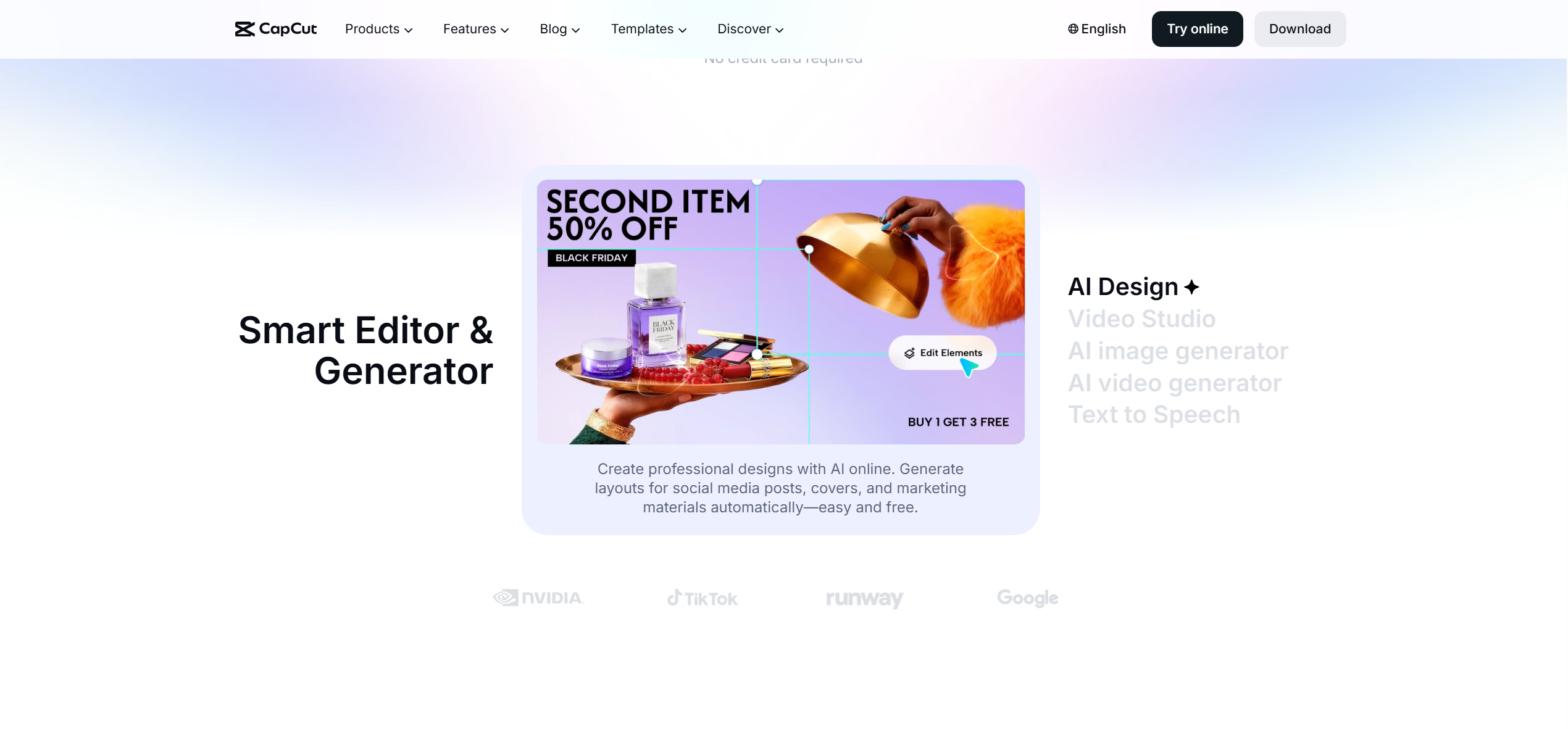
PASTE_CAPCUT_IMAGE_URL_HEREA practical finishing environment for combining character performance with lyrics, backgrounds, effects, and social formatting.
Best forFinal edit and platform versions.
Practical tipUse the character performance as one layer of the video rather than the only visual.

Use imagery that fits the workflow, not the same concert photo in every section.
Step-by-Step: Make a Character Sing a Song
- Choose the character. Use artwork or a portrait with a clear face and visible mouth.
- Prepare the audio. Use a clean final track you have the rights to use.
- Choose the performance style. Decide whether the character is on a stage, in a narrative scene, or framed like a social clip.
- Generate the lip sync. Let the audio drive mouth and facial movement.
- Review identity. Make sure the character still looks like the source artwork.
- Add visual variety. Use cutaways, camera changes, lyrics, or new environments.
- Export for the destination. Reframe for YouTube, TikTok, Reels, or Shorts.

A release can combine cinematic scenes, visualizers, performance, and social-first edits.
Character Types That Work Well
Illustrated and Anime Characters
Stylized faces can create a distinctive virtual performer, especially when the artwork already has clear eyes and mouth shapes.
Mascots
A brand or creator mascot can sing recurring hooks, making the format useful beyond traditional artist promotion.
Pets and Animal Characters
Animal images can become intentionally playful singing characters rather than being forced into a human-only avatar concept.
Fictional AI Artists
A consistent character can become the face of multiple releases. Preserve the same visual identity while changing songs, environments, and performance concepts.
How to Keep a Singing Character Consistent Across Multiple Songs
If the character is part of a long-term creator identity, define a small set of non-negotiable features: face shape, hairstyle, color palette, wardrobe silhouette, and personality. Those elements should remain stable even when the stage, genre, or story changes. Consistency makes the character recognizable and gives the audience something to remember.
Build a Character Reference Sheet
Before generating several videos, save a small set of reference images showing the character from different angles and expressions. This gives the creator a stable visual source for future generations and makes it easier to reject outputs that drift too far from the intended identity.
Match the Performance to the Genre
A character singing an intimate ballad should not move like the same character performing a high-energy dance track. Adjust expression, camera pace, posture, and environmental motion to the genre while keeping the character design itself consistent.
Use the Character Beyond Lip Sync
The performer can also appear in cover art, visualizers, lyric videos, thumbnails, and social posts. This turns the singing character into a broader brand asset rather than a single effect.
Frequently Asked Questions
What AI can make a character sing any song?
Freebeat Singing Photo is designed for turning a still image and music into a singing performance. Other character-animation platforms can also work depending on the desired style.


