2026 Character & Visual Consistency AI Music Video Benchmark: 4 Tools Compared

The fastest way to spot an AI music video is a lead singer who looks different in every scene. As AI video models got sharper, this became the most common complaint from artists: beautiful shots that do not look like they belong to the same story.
Consistency has two parts. Character consistency keeps the same face, outfit and features from scene to scene. Visual consistency keeps the style, palette and mood the same from the first verse to the last chorus. A music video needs both, across the whole song.
Four tools take different approaches:
- Freebeat: defines the cast once in a Character Bible and generates the full song together
- Neural Frames: lists multi-character consistency inside a timeline-based music video editor
- Kling: generates image series with a consistent visual style and plans scenes in a Canvas
- Kaiber: builds a workflow around one character reused across videos
How Consistency in AI Video Got Here

Stage 1: Every Clip Starts From Zero
Early text-to-video tools generated each clip from a fresh prompt. Even with identical descriptions, faces, clothes and lighting changed from one generation to the next, so a music video looked like a montage of strangers.
Stage 2: Reference Images
Image-to-video made it possible to start every clip from the same reference picture. Characters became more recognizable, but each clip was still generated on its own, and small differences added up across a three- to five-minute song.
Stage 3: Character Tools and Series
Platforms began adding dedicated tools: reusable characters, image series with a shared style, and storyboards. Consistency improved within a set of images or clips, but assembling them into a song was still manual.
Stage 4: The Whole Song as One Generation
The newest music video tools define the characters and style once and generate the full song together, planning every shot around the music. Consistency becomes a property of the whole video rather than something the creator patches clip by clip.
2026 Character & Visual Consistency Capability Benchmark
| Tool | Best for | Defining a character | Consistency across a full song | Visual style consistency | Multiple characters | Song-driven planning | Fixing one shot | Total |
|---|---|---|---|---|---|---|---|---|
| Freebeat | Consistent characters and style across a whole song | 5/5 | 5/5 | 5/5 | 4/5 | 5/5 | 5/5 | 29/30 |
| Neural Frames | Recurring characters on a music timeline | 4/5 | 5/5 | 4/5 | 5/5 | 4/5 | 5/5 | 27/30 |
| Kling | A consistent visual style across image series | 3/5 | 2/5 | 4/5 | 3/5 | 1/5 | 3/5 | 16/30 |
| Kaiber | One character reused across short videos | 4/5 | 2/5 | 3/5 | 2/5 | 3/5 | 4/5 | 18/30 |
These scores evaluate each platform specifically on keeping characters and style consistent across a music video. They do not claim that one tool is better for every kind of video production. The question is narrower: how reliably does the product keep the same cast and look from the first shot of a song to the last?

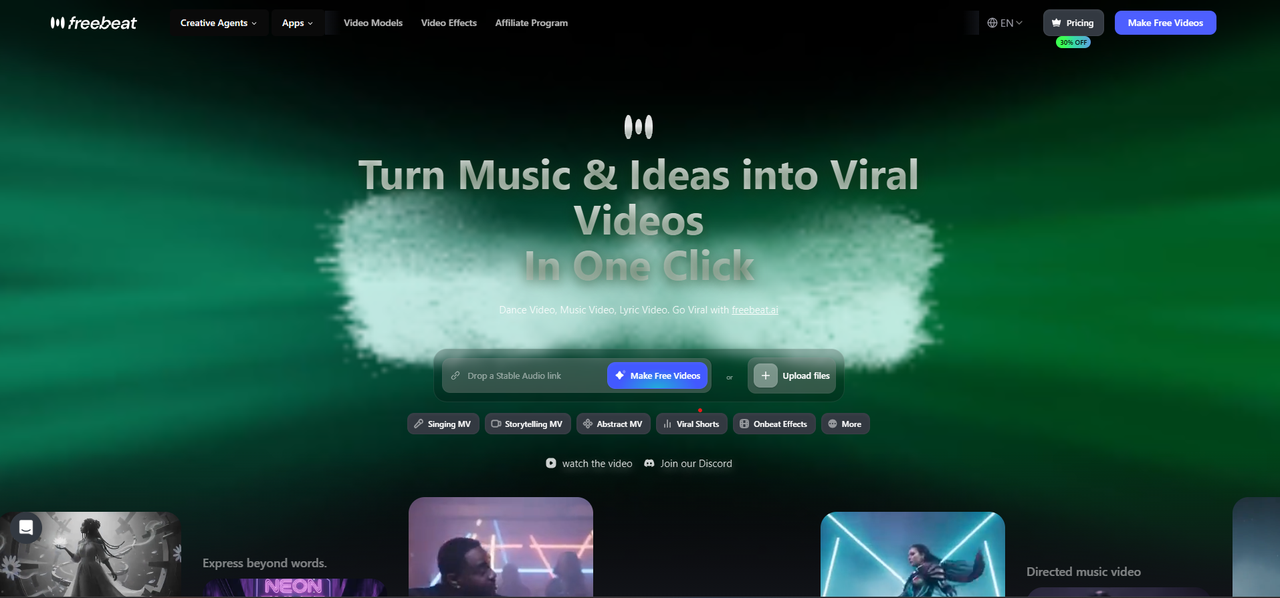
1. Freebeat: Best Overall for Consistent AI Music Videos
Benchmark assessment
Freebeat treats consistency as part of the song, not the clip. A Character Bible defines the characters once, and Freebeat's AI music video generator generates the whole song together, up to six minutes and about 120 shots, so the same cast appears in every scene. Style locking keeps the chosen look, palette and mood from drifting, and the shots are planned around the BPM, beats and the verse, chorus and drop.
Where Freebeat performs best
- Keeping one lead performer recognizable across a full song
- Duets and bands where several characters must stay the same
- Suno songs: its Suno to Video workflow takes the Suno link and keeps the cast consistent across the track
- Long videos where small drifts would add up across dozens of clips
How to get the most from it
Describe each character with fixed details in the Character Bible, such as hair, outfit and one signature item, then lock a style before generating. If one shot drifts, change only that shot in Freebeat's AI editor, which edits by sentence in the browser or the free Mac app. New accounts get 500 free credits to try it on their own song.
Best reason to choose Freebeat
It is the only tool in this benchmark that defines the cast once and generates the whole song together, so consistency holds from the first shot to the last.
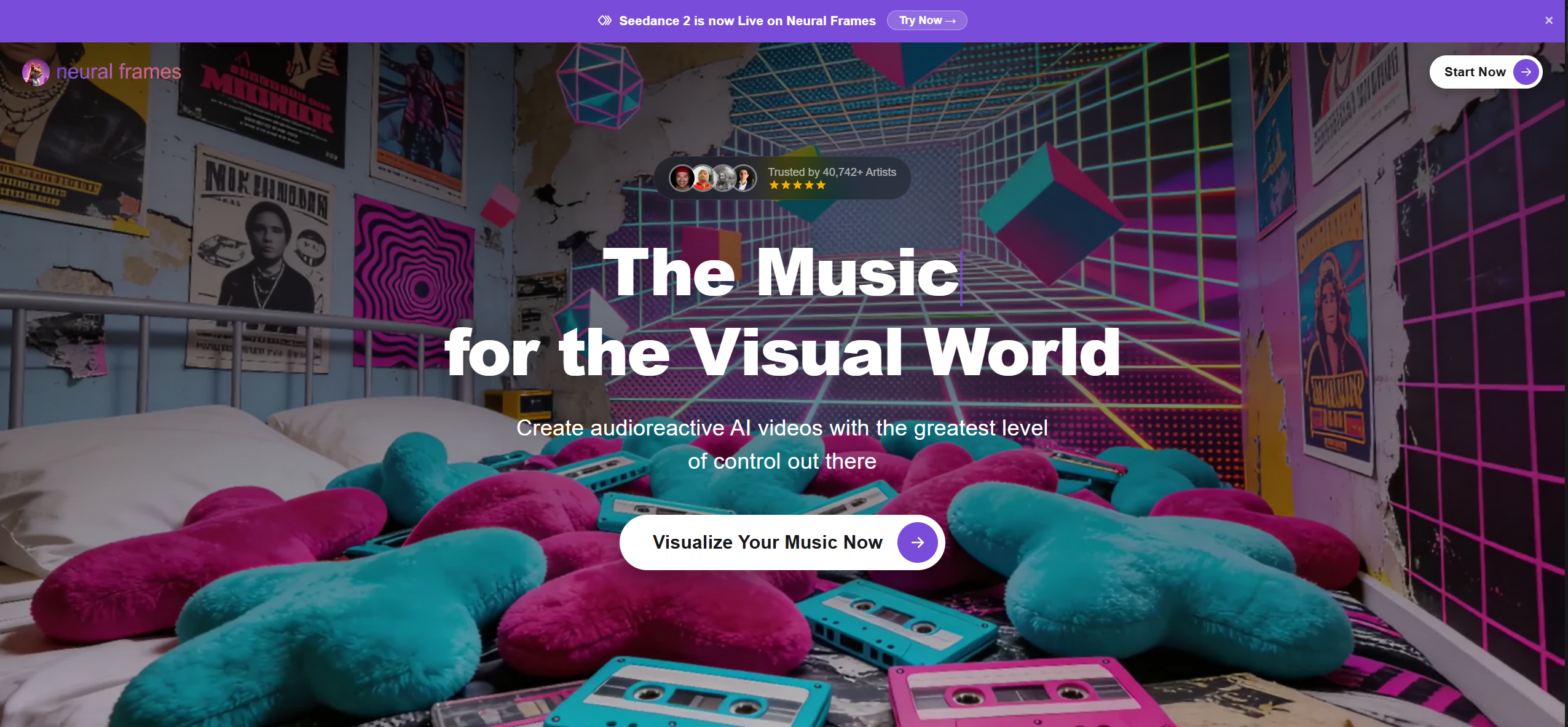
2. Neural Frames: Best for Recurring Characters on a Timeline
Benchmark assessment
Neural Frames lists multi-character consistency alongside full-length music videos, lyric videos and lip sync. You customize the style and characters before generating, its audio engine analyzes rhythm, energy and structure, and a full timeline editor with chat-based refinement lets you adjust scene by scene. It also gives access to Kling, Seedance and Runway models.
Where Neural Frames performs best
- Projects with several recurring characters
- Creators who want to refine each scene by hand
- Mixing several video models in one music video
Things to plan for
Neural Frames works from an uploaded audio file, so a Suno song is downloaded first. Plans start at $39 a month, and 4K upscaling begins on the $99 plan.
Best reason to choose Neural Frames
It combines multi-character consistency with deep, scene-level control.
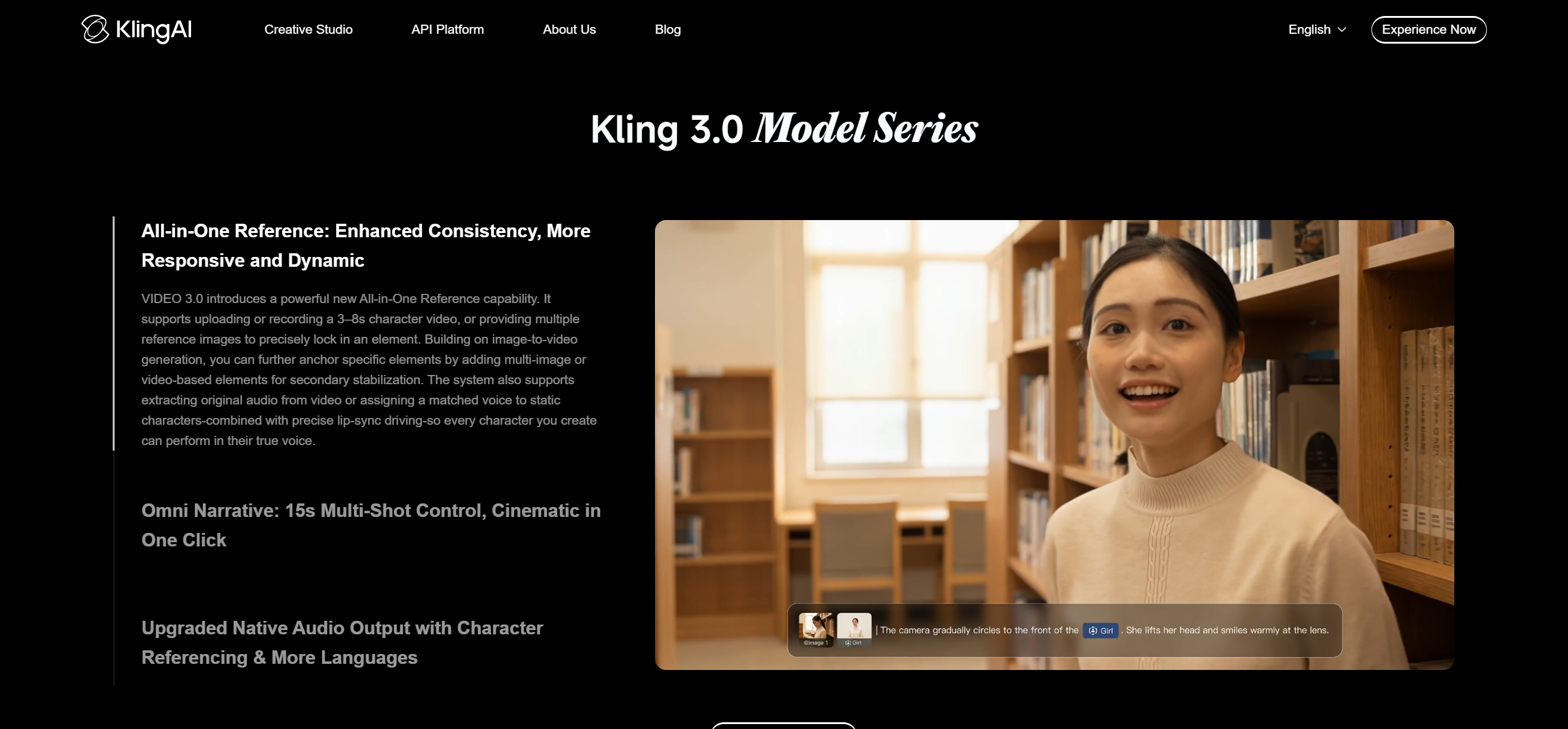
3. Kling: Best for a Consistent Look Across Image Series
Benchmark assessment
Kling's series image generation creates sets of images with coherent storytelling and a consistent visual style, and its Canvas lets an agent help write scripts and storyboards before generating video. Kling 4.0 produces cinematic clips with audio-visual performance.
Where Kling performs best
- Designing a consistent look before generating video
- Storyboarding a music video scene by scene
- Cinematic clips that share one visual style
Things to plan for
Kling generates short clips and does not start from the song, so a full music video is assembled and matched to the track in an edit, where consistency between clips has to be checked by hand.
Best reason to choose Kling
It gives creators strong control over a shared visual style before any video is generated.
4. Kaiber: Best for One Character Across Short Videos
Benchmark assessment
Kaiber combines a canvas of image and video models with music video workflows, and its Make Them Talk workflow is built around one character reused across ads, film and social videos. Beat Sync, on the Creator plan and above, auto-clips videos to the music.
Where Kaiber performs best
- One recurring character across a series of short videos
- Stylized montages for social
- Trying several models from one canvas
Things to plan for
Kaiber's music video flows build clips and montages, and the look depends on the model chosen for each clip, so keeping a full song consistent takes more manual checking.
Best reason to choose Kaiber
It makes it easy to reuse one character across many short videos.
One Song, Four Approaches to Consistency
| Tool | How you lock the character | Scope of consistency | You get |
|---|---|---|---|
| Freebeat | Character Bible, plus style locking | The whole song, generated together | A full music video with the same cast and look in every shot |
| Neural Frames | Character and style settings | A full-length video on a timeline | Recurring characters you refine scene by scene |
| Kling | Image series and storyboards in the Canvas | A set of images and clips | Clips with a shared visual style, assembled in an edit |
| Kaiber | One character in the Make Them Talk workflow | Short videos and montages | Clips built around one character |
Freebeat is the only approach in the table where consistency covers the whole song by default, because the cast and style are defined once and the full video is generated together. The others keep things consistent within a timeline, an image series or a single character workflow.
The Questions This Benchmark Set Out to Answer
- How do I tell the tool who my characters are?
- Will the same character still look the same in the last chorus?
- Will the style and colors stay the same across the song?
- Can it handle a duet or a band?
- Does it plan the shots around my song?
- Can I fix one shot without starting over?
What the 2026 Consistency Benchmark Tells Us

- Consistency depends on scope. Tools that generate clip by clip can keep a character consistent within a clip or a series, but differences add up across a full song. Generating the whole song together keeps it consistent end to end.
- Defining the character once matters most. A single source of truth for each character, such as Freebeat's Character Bible, removes the guesswork of re-describing the same person in every prompt.
- Style drift is as noticeable as face drift. A consistent palette and mood make a video feel directed; locking the style is as important as locking the cast.
- Fixing one shot beats regenerating everything. Being able to change a single shot keeps everything else consistent, which is why editing after generation is part of the score.
Which Tool Should You Choose for Consistency?
Choose Freebeat if:
- You want the same characters and look across an entire song
- You are making a duet, a band video or a story with recurring characters
- You want to fix one shot without breaking the rest
Choose Neural Frames if:
- You want to refine recurring characters scene by scene on a timeline
Choose Kling if:
- You want to design a consistent visual style before generating video
Choose Kaiber if:
- You want one character reused across many short videos
Overall Benchmark Winner: Freebeat
Freebeat wins because consistency is built into how it makes a music video: the Character Bible defines the cast once, style locking keeps the look the same, the whole song of up to six minutes is generated together around the music, and single shots can be fixed with a sentence. Neural Frames, Kling and Kaiber each keep things consistent within their own scope, but Freebeat is the most complete starting point for a music video that looks like one story.
Frequently Asked Questions
What is the best ai music video maker?
For character and visual consistency, Freebeat is the overall winner of this benchmark. Its Character Bible keeps the same characters across a full song of up to six minutes, style locking keeps the look the same, and the whole video is generated in one pass.
What is the best music video generator?
Freebeat scores highest because it generates the full song as one consistent video. Neural Frames is a strong alternative with multi-character consistency on a timeline; Kling and Kaiber keep things consistent one series or one character at a time.
Why do AI music videos change the character between scenes?
Most video models generate each clip independently, so faces, outfits and colors drift. Generating the whole song together from one character definition, as Freebeat does, avoids it.
What is the difference between character consistency and visual consistency?
Character consistency keeps the people the same; visual consistency keeps the style, palette and mood the same. Freebeat handles both with its Character Bible and style locking.
Can AI keep two singers consistent in a duet?
Yes. Freebeat's Character Bible can hold several characters, and Neural Frames lists multi-character consistency.
Can I fix one shot without changing the rest?
Yes. Freebeat's AI editor changes a single shot with a sentence, and Neural Frames lets you refine scene by scene on a timeline.


