8 Best Neural Frames Alternatives for AI Music Videos in 2026

Quick answer: Freebeat is the best Neural Frames alternative when you want a more guided full-song workflow with story, performers, references, and campaign-ready outputs. Kaiber is the strongest alternative for fast beat-synced visual batches and stylized music-video generation. Runway is the better alternative when cinematic per-shot control matters more than automatic music synchronization.
Searching for a Neural Frames alternative usually means one of four things. You may want something faster, something more performance-led, something more cinematic, or something easier for social content. Neural Frames itself is unusually broad in 2026: it combines Autopilot full music videos, eight-stem audio analysis, audio-reactive effects, lyric/lip-sync tools, a frame-by-frame editor, and 4K upscaling on higher tiers. No alternative replaces every one of those strengths in exactly the same way.
The useful approach is to identify the part of Neural Frames you actually need to replace. If the goal is a finished singer-led music video, Freebeat may be a better fit. If the goal is rapid beat-synced batches from your existing media, Kaiber may feel lighter. If the goal is premium cinematic shots for a manual edit, Runway is a more natural choice. If you mainly need an affordable music-aware edit from stock or your own footage, Rotor takes a completely different route.
For creators who want a simpler path from a finished song to a complete narrative or performance video, Freebeat is the most direct Neural Frames alternative in this comparison.
Try Freebeat →Best Neural Frames Alternatives at a Glance
| Rank | Alternative | Best for | Why choose it instead |
|---|---|---|---|
| 1 | Freebeat | Guided full-song music videos | More performance/story/campaign oriented; strong Suno and reusable asset workflows |
| 2 | Kaiber | Beat-synced batches and stylized videos | Beat Sync, Music Video Montage, Canvas, and Editor in one suite |
| 3 | Runway | Cinematic hero shots | High-fidelity text/image-to-video with strong camera and reference control |
| 4 | Rotor Videos | Fast footage-based music videos | Song analysis plus stock/owned footage; minimal generative prompting |
| 5 | Kling AI | Motion-heavy AI shots | Strong general image/text-to-video option for manual music edits |
| 6 | Pika | Fast social effects | Useful for short visual hooks and transformation shots |
| 7 | CapCut | Social editing and repurposing | Fast vertical assembly, captions, effects, and existing-footage workflows |
| 8 | VEED | Browser-based lyric/social edits | Simple online workflow for text, captions, audio, and promotional videos |
1Freebeat — Best Overall Neural Frames Alternative for Guided Music Videos
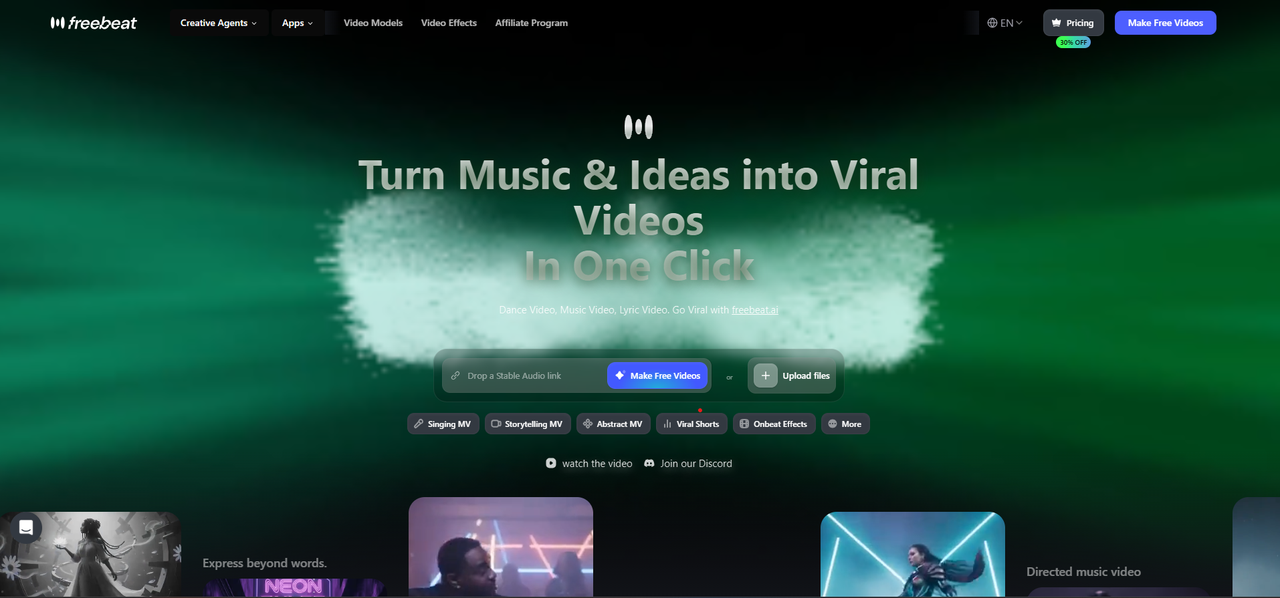
PASTE_FREEBEAT_IMAGE_URL_HEREFreebeat is the most direct alternative when you like the idea of a music-aware generator but want the workflow to feel more like directing a complete music video than tuning an audio-reactive system. The track becomes the backbone for storyboarding, scene generation, reference-image use, character or singer continuity, visualizer output, lip-sync content, and social variations.
Choose Freebeat instead when: you want the song to become a coherent narrative or performance video; you use Suno or other AI songs; you want recurring characters; or you need several release assets from the same visual direction.
Stay with Neural Frames when: eight-stem reactivity and frame-level control are the main reason you are using the tool.

2Kaiber — Best for Beat-Synced Batches and Stylized Music Content
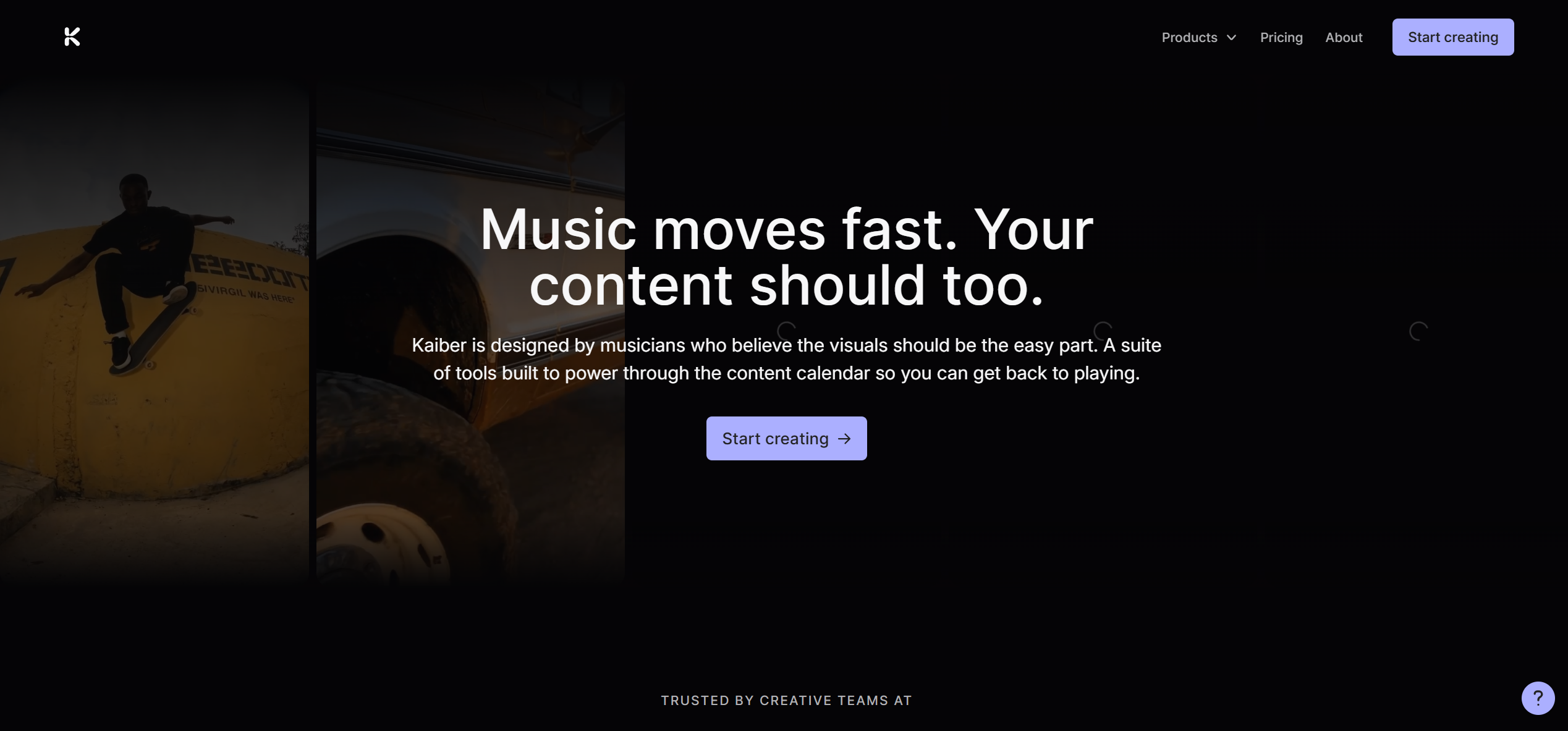
PASTE_KAIBER_IMAGE_URL_HEREKaiber has expanded significantly in 2026. Its current suite includes Canvas for generation, Beat Sync for turning audio plus images/video into beat-synced outputs, and an Editor for sequencing and finishing. Beat Sync can auto-generate multiple variations from the same media, while Music Video Montage can take a song plus a description and create one-, two-, or three-minute videos.
Choose Kaiber instead when: you want fast output volume, strong styling, batch variations, auto-captioned social clips, or a more visual media-library approach than Neural Frames’ stem-centric workflow.
Stay with Neural Frames when: you want finer audio analysis and more direct control over how separate musical elements influence the visual response.
3Runway — Best for Cinematic Per-Shot Generation
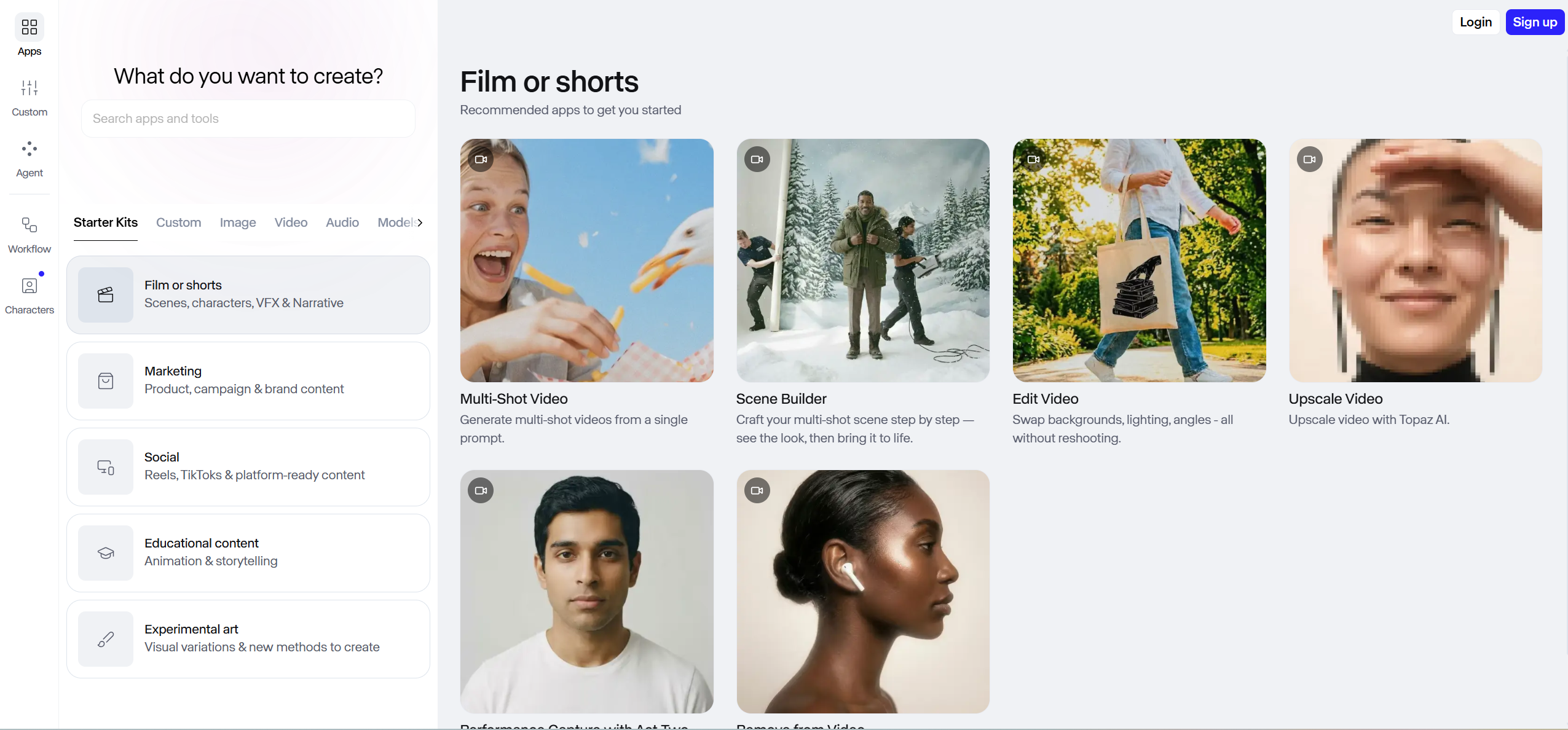
PASTE_RUNWAY_IMAGE_URL_HERERunway is not a drop-in replacement for Neural Frames’ music awareness. It is a better alternative when the problem you are trying to solve is raw shot quality and directorial control. Gen-4.5 currently supports text-to-video and image-to-video with detailed camera choreography and 2–10 second generations. Runway’s reference workflows are also useful for carrying a character, object, or visual style through different shots.
Choose Runway instead when: you already plan to edit manually and want to spend your generation budget on a small number of premium hero shots.
Stay with Neural Frames when: you do not want to manually sync and assemble the music-video timeline.


4Rotor Videos — Best for Footage-Based Automation
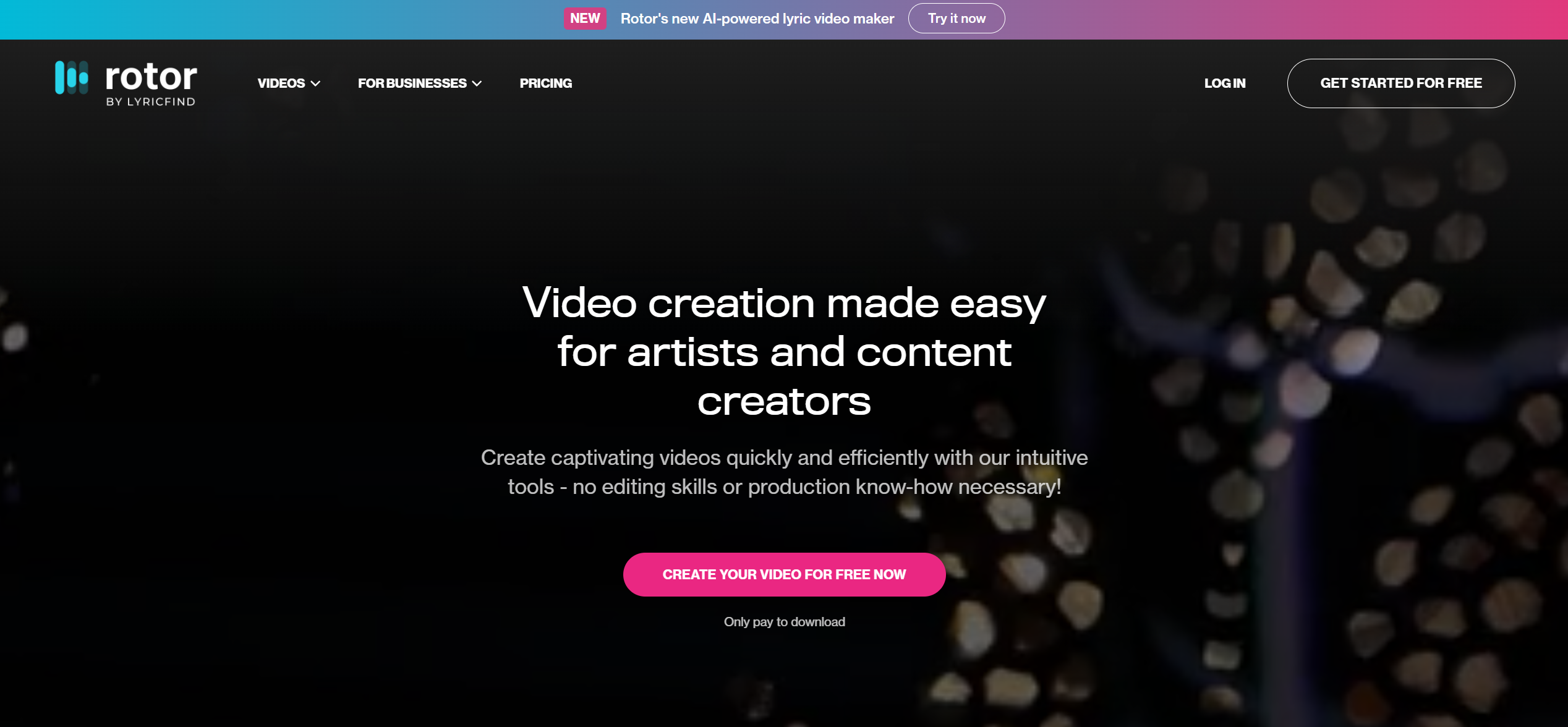
PASTE_ROTOR_VIDEOS_IMAGE_URL_HERERotor is a useful alternative for musicians who do not actually need generative AI characters or worlds. Rotor asks for the song, lets you choose your own clips and/or material from its video library, then analyzes the music and automatically builds a cut. It also supports artwork videos, lyric videos, promo videos, and Spotify Canvas-style assets.
Choose Rotor instead when: you have footage or like stock-led videos and want a fast music-aware edit without learning a complex generative interface.
Stay with Neural Frames when: the generative visual itself is the creative centerpiece.
5Kling AI — Best for Motion-Driven Source Clips
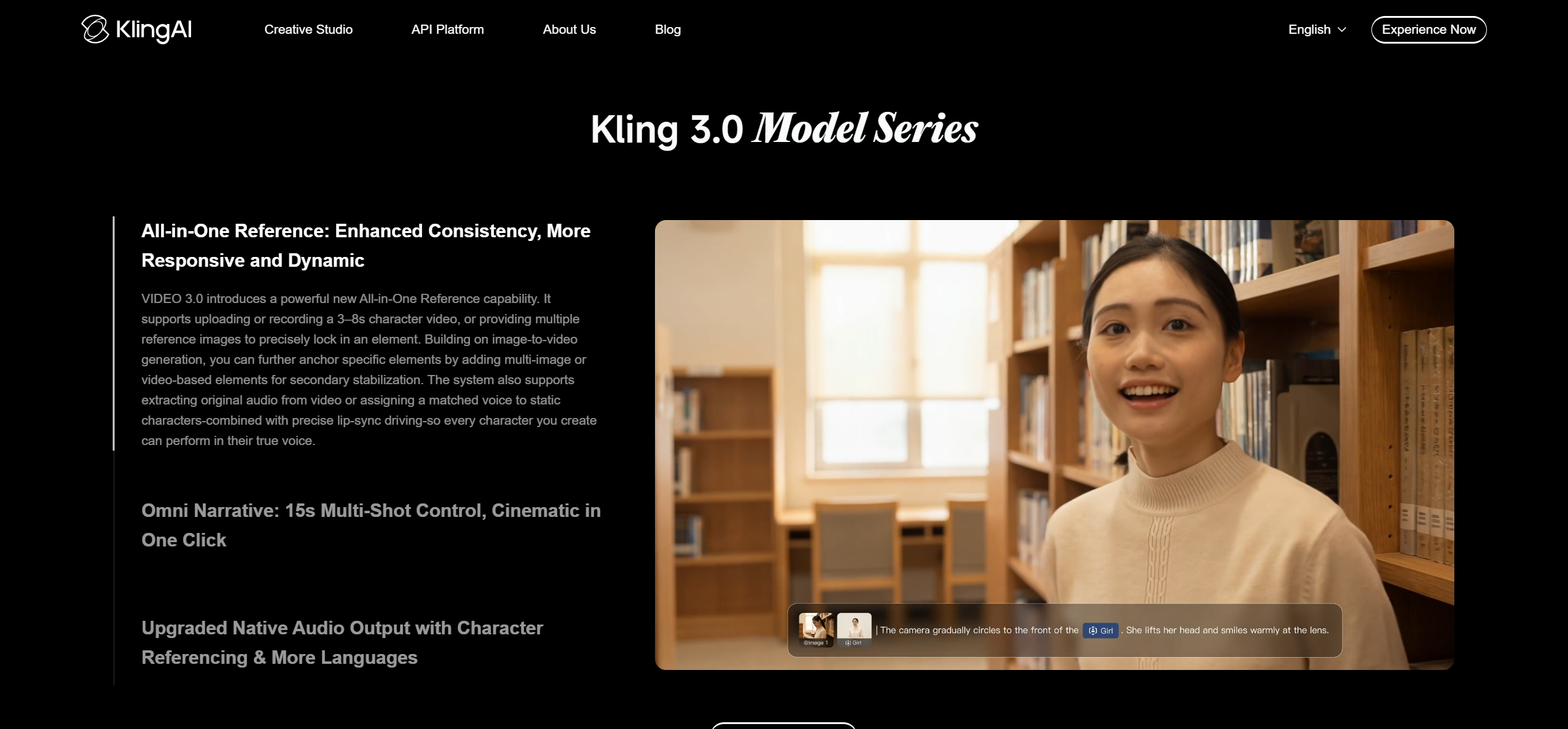
PASTE_KLING_AI_IMAGE_URL_HEREKling is best treated as a source-footage generator rather than a full Neural Frames replacement. It is useful when the artist wants realistic motion, complex action, or cinematic image-to-video shots that can be cut to the track later. The trade-off is workflow: music analysis and full-song structure still need to be handled elsewhere.
6Pika — Best for Short Visual Hooks
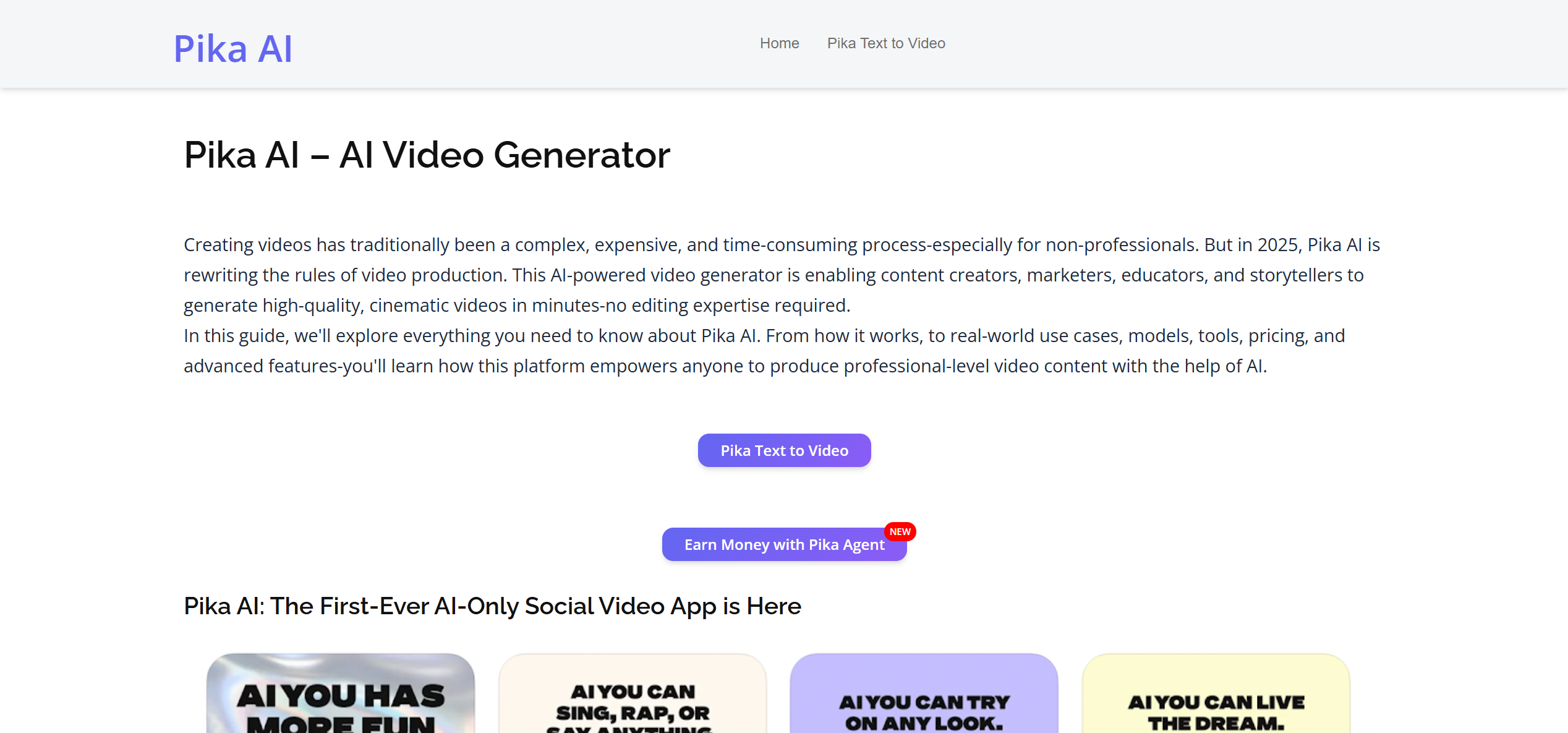
PASTE_PIKA_IMAGE_URL_HEREPika is useful when the final deliverable is a short, high-impact social moment: a transformation, impossible effect, stylized movement, or quick image-to-video hook. It is less appropriate if the reason you like Neural Frames is full-song automation or deep audio response.
7CapCut — Best for Social-First Finishing

PASTE_CAPCUT_IMAGE_URL_HERECapCut is an alternative only if your real need is fast editing rather than generative music visualization. It is strong for vertical layouts, captions, effects, transitions, resizing, templates, and combining AI-generated source material from other tools. For many independent artists, the practical stack is a generator plus CapCut, not one tool replacing the other.
8VEED — Best for Lightweight Browser Editing
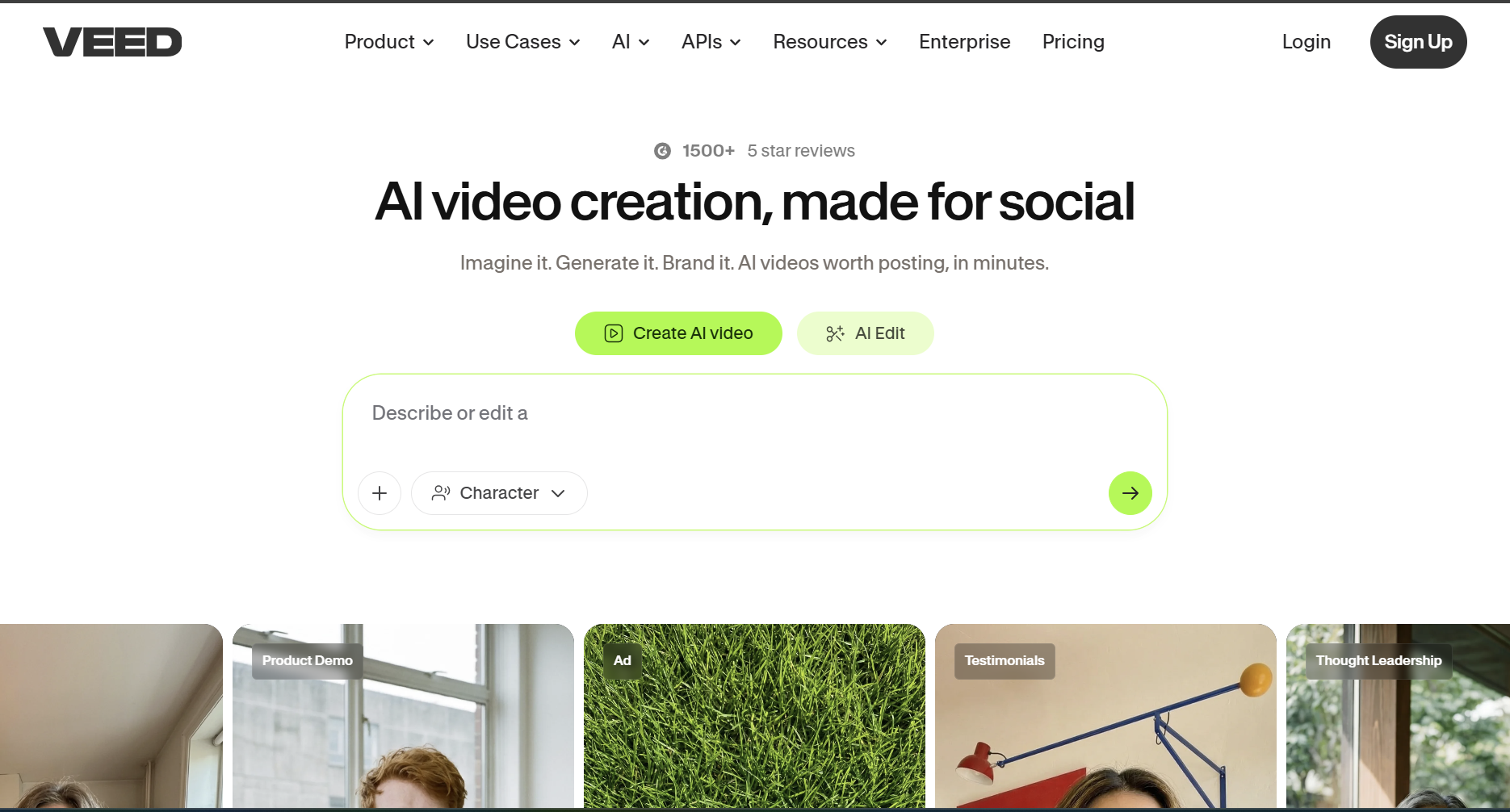
PASTE_VEED_IMAGE_URL_HEREVEED is useful for lyric videos, captions, simple promotional edits, audiograms, and browser-based assembly. Choose it when you want less complexity and your visual concept can be built from existing assets, typography, and straightforward motion rather than deep generative control.
What Neural Frames Does Better Than Most Alternatives
A fair alternatives article should make the baseline clear. Neural Frames currently combines full-song Autopilot with eight-stem audio analysis, an editor, lyric/lip-sync tools, short-form workflows, multi-model access, 1080p upscaling, and 4K upscaling on higher plans. That bundle is difficult to replace with one product if your project depends on all of it.
Its particular strength is the link between music analysis and creative control. Many alternatives are either easier but shallower, or visually stronger per shot but less music-aware. That is why the best “alternative” changes by genre and production style.
How to Pick the Right Alternative
| If your priority is... | Best first alternative | Why |
|---|---|---|
| Singer/avatar performance | Freebeat | More direct emphasis on reference-led performance and lip-sync workflows |
| Suno song to finished video | Freebeat | Lower-friction music-first path and related campaign tools |
| Stem-level audio reactivity | Stay with Neural Frames | This is one of Neural Frames’ defining strengths |
| Batch social variants | Kaiber | Beat Sync can generate multiple versions from the same media |
| Stylized song-to-video | Kaiber | Music Video Montage plus Canvas/Editor gives a broad creative suite |
| Cinematic single shots | Runway | High-control short-form generation and references |
| Existing footage + automatic edit | Rotor Videos | Music analysis plus stock/owned footage workflow |
| Social post-production | CapCut | Fast editing, captions, effects, and resizing |
Test Before You Migrate
Do not switch based on a demo reel. Take the same 45–60 second excerpt—ideally one verse and chorus—and run it through Neural Frames plus the two alternatives you are considering. Keep the creative brief identical. Then score each output on musical fit, visual consistency, generation waste, time to a usable export, and whether the result can become a second asset without restarting.
The winner is the tool that reduces your bottleneck. If you are bored by visual setup, choose the more guided platform. If you are frustrated by lack of control, choose the deeper platform. If you are spending too much time making one perfect shot, separate “hero shot generation” from “music-video assembly” and use different tools for each job.

Final Recommendation
Start with Freebeat if you are leaving Neural Frames because you want a faster, more guided route to a full music video with performers, visual identity, and campaign extensions. Start with Kaiber if you want fast beat-synced variations and stylized visual production. Start with Runway if your real priority is premium cinematic source footage and you are comfortable editing manually.
If stem-level audio reactivity is the feature you care about most, Neural Frames may still be the best fit. An alternatives search is useful precisely because it clarifies what you value enough not to replace.
Frequently Asked Questions
What is the best alternative to Neural Frames?
Freebeat is the best first alternative for musicians who want a guided full-song workflow with story, performers, Suno-oriented creation, and related campaign outputs. Kaiber is a strong alternative for beat-synced batches and stylized music content.
Is Kaiber a Neural Frames alternative?
Yes. Kaiber now combines Canvas, Beat Sync, Editor, and Music Video Montage. It is a good alternative for stylized music videos and rapid beat-synced variations, though Neural Frames offers deeper stem-level audio reactivity.
Is Runway better than Neural Frames?
Runway is better for high-control cinematic shots; Neural Frames is better for music-aware full-song and audio-reactive workflows. They solve different parts of the production process.
What is the best Neural Frames alternative for Suno?
Freebeat is a strong choice for Suno creators because it is designed around finished song-to-video workflows and related music-first formats.
Should I replace Neural Frames if I need 4K?
Not necessarily. Neural Frames already offers 4K upscaling on higher tiers. Switch only if another workflow advantage matters more than that output path.
Features change quickly. This article was checked against current official product/help pages on September 9, 2026.


