Contact partnership@freebeat.ai for guest post/link insertion opportunities.
Introduction
In today’s music world, standing out is harder than ever. Streaming platforms are saturated, attention spans are short, and the barrier to entry for recording is high. But there’s a rising tool that’s changing the game: the AI cover generator is essentially a software that lets you transform existing songs into new covers using artificial intelligence voices or voice cloning.
If you're a singer, songwriter, producer, or even a hobbyist musician, adopting an AI cover generator now isn’t just a novelty, it’s becoming a strategic advantage. Below, I’ll walk through 5 compelling reasons that show why this technology is more than a fad but a smart tool in your creative arsenal.
1. Drastically Lower Costs and Faster Turnaround
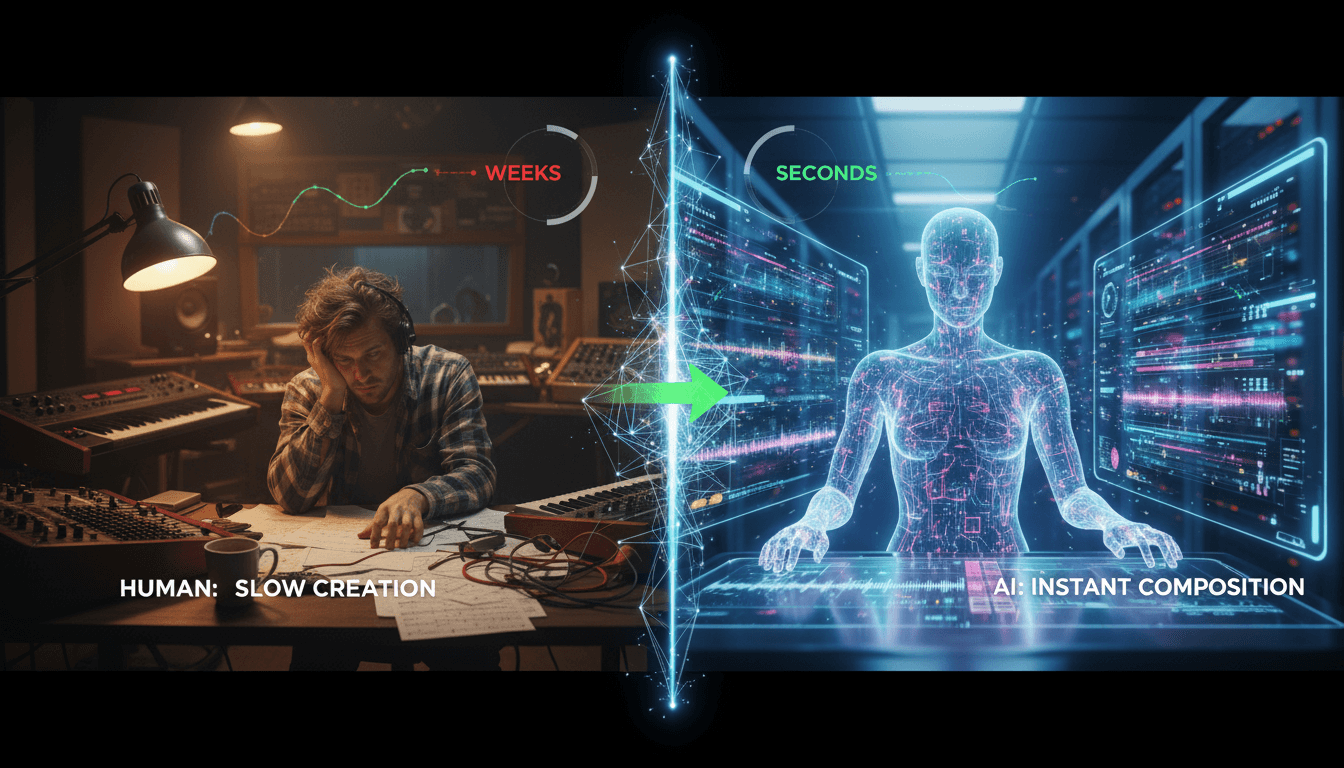
Traditionally, producing a cover track involves hiring session vocalists, booking studio time, mixing/mastering, and coordinating schedules. That can cost hundreds or even thousands of dollars per track.
With an AI cover generator, you can bypass many of those costs. These tools can:
- Clone your own voice or choose from presets
- Isolate vocals and accompaniment
- Render high-quality audio in minutes
This democratizes the production process. Independent musicians can now release polished covers without blowing their budgets or waiting weeks. AI tools such as those from Media.io or TopMediai allow you to transform vocals into covers in minutes.
In my experience, I once recorded a cover that required me to rent studio time and get external mixing. Nonetheless, it took nearly a week and cost almost half my monthly budget. Later, I used an AI tool just to test out the arrangement. In under 10 minutes, I had a version I could A/B with the human one. That kind of speed gives you creative freedom.
2. Experimentation Without Risk
One of the biggest creative barriers is fear: “What if this cover fails?” Or “What if the vocalist style doesn’t match?” With AI, the risk is minimal because you can experiment freely.
You can:
- Try different genres (e.g., turn a pop song into jazz, or a rock track into a bossa nova)
- Test multiple vocal styles or textures
- Use voice cloning to hear how your own voice might sound in different registers
A systematic review of AI-based music generation highlights how such tools allow artists to explore novel ideas and push boundaries without committing to full-scale production.
From personal trials, I’ve toyed with converting my acoustic track into an electronic remix using an AI cover voice. The result wasn’t final, but it unlocked new ideas that led me down a creative path I wouldn’t have tried otherwise.
3. Rapid Content for Social Media & Fan Engagement
In the digital age, content output matters. Posting consistently on TikTok, Instagram Reels, or YouTube Shorts isn’t optional but expected. AI cover generators make it easier to produce shareable musical content at scale.
Imagine:
- A quick AI cover drop to engage fans
- A mashup of two trending songs
- Releasing alternate versions (e.g. acoustic, reggae, vocal harmonies) in minutes
Tools like Covers.ai explicitly position themselves for viral, fan-driven content.
I once posted an AI cover snippet of a trending song using a voice model, got decent engagement, and used that as a springboard to pitch my original music. This brought around many new listeners who ended up sticking around out of curiosity. The cover functioned as a gateway.
4. Voice Cloning and Personal Branding
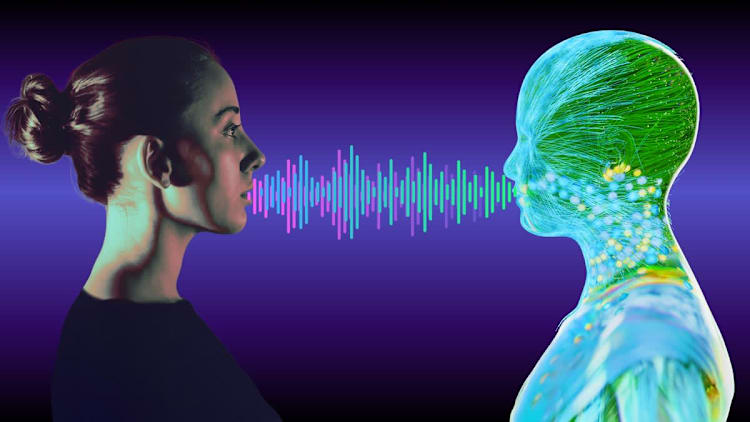
A powerful feature of many AI cover tools is voice cloning.
Essentially, it involves creating a digital replica of your own voice, allowing you to use it to perform other songs or experiment with different vocal styles.
Advantages include:
- Maintaining your vocal identity while exploring new covers
- Enabling multilayered harmonies or vocal stacking more easily
- Protecting your voice (you can “record” virtually without strain)
AI models are getting increasingly sophisticated. According to an article on AI’s role in music production, these generative tools can adapt vocal character, control pitch, timbre, and expression which allows you to fine-tune cloned voices to feel authentic. From my side, I cloned my voice and tried singing a cover in a different language. The result surprised me as some emotion came through that I didn’t expect. That boosted my confidence to explore multilingual releases.
5. Competitive Edge & Strategic Differentiation
Here’s the clincher: many musicians haven’t tapped into this yet. By integrating an AI cover generator, you position yourself as forward-thinking which can differentiate you in a saturated market.
You can:
- Stand out with niche covers, creative reinterpretations
- Offer fans covers “in your voice” that no one else can
- Use AI covers as promotional assets when releasing original music
That said this technology comes with challenges. Copyright, ethics, and originality must be handled carefully. Generative AI models are often trained on large datasets, sometimes without explicit licensing which can raise legal questions.
In fact, the music industry is increasingly watching this space. As Forbes notes, AI models are now capable of producing tracks nearly indistinguishable from human-created ones.
It is not just an advantage but also a responsibility. When used wisely, the potential benefits are immense.
Final Thoughts: Don’t Wait, Start Exploring
Here’s my take: AI cover generators are not a passing novelty but they’re also a tool of transformation. The six reasons above (cost, experimentation, content speed, branding, education, competitive edge) make a compelling case.
Yes, you must tread ethically. Yes, you still need artistic vision, singing ability, and storytelling. But this tool offers you flexibility, speed, and creative breadth that can amplify your reach and impact.
If you're curious, start small:
- Try an AI cover of a public domain song
- Use a non-commercial project to test the voice cloning
- Explore AI cover tools like Media.io, TopMediai, Covers.ai, or others
Then, see how your audience responds. You might find that AI covers open doors you didn’t know existed — doors to new fans, collaborations, or creative directions you hadn’t imagined.


